Tech Stocks Decline as S&P 500 and Nasdaq Close Lower Ahead of Nvidia Earnings
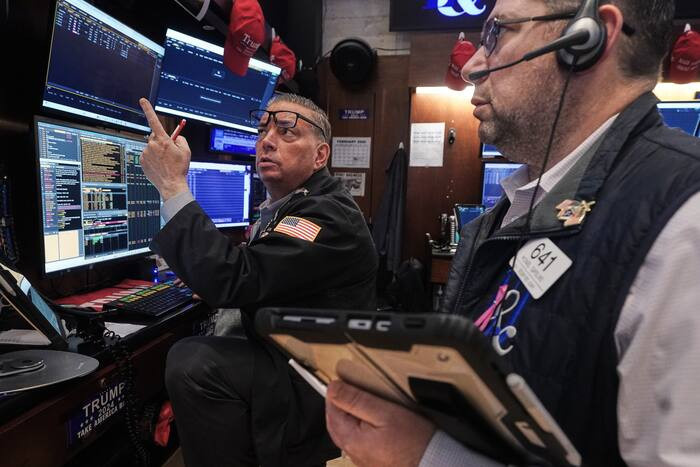
The S&P 500 and Nasdaq Composite ended lower on Monday, pressured by a selloff in semiconductor stocks as investors awaited Nvidia's quarterly earnings and a significant inflation report. The S&P 500 dropped 21.51 points, or 0.28%, closing at 7,652.86, while the Nasdaq fell 200.26 points, or 0.76%, to finish at 25,980.19. In contrast, the Dow Jones Industrial Average gained 140.15 points, or 0.26%, closing at 53,417.16, buoyed by advances in financial stocks.
Chip stocks were the primary contributors to the decline, with Nvidia falling 2.9%, Micron Technology down 5.8%, and Broadcom sliding 2.6%. This downturn impacted the S&P 500 Information Technology index and the Philadelphia Semiconductor Index significantly. Nvidia's upcoming earnings are anticipated to shed light on the demand for artificial intelligence infrastructure and the sustainability of high technology valuations.
Market Reading & Resources
Sponsor funding complete. Trade on.
Political pressures surrounding artificial intelligence data centers also influenced market sentiment. Texas Governor Greg Abbott recently halted approvals for new data center projects, citing concerns over rising electricity demand and grid reliability. Ohsung Kwon, chief equity strategist at Wells Fargo, noted that the increasingly hawkish political discourse regarding AI and data centers poses risks as the midterm elections approach.
Additionally, investors are evaluating the Trump administration's potential expansion of sanctions against countries engaging in business with Iran, although immediate penalties have not been imposed. Concerns over government debt have driven the 30-year Treasury yield to a 19-year high, remaining above 5% on Monday.
Despite the technology sector's weakness, financial shares provided some offset, with JPMorgan Chase rising 1.4% and Visa gaining 3%. Market participants are now looking ahead to Federal Reserve Chair Kevin Warsh's speech at Jackson Hole on Friday for insights into monetary policy and the Treasury's recent market support measures. The Personal Consumption Expenditures price index, the Fed's preferred inflation measure, is set to be released on Wednesday, with traders anticipating a 25-basis-point interest rate increase by the end of 2026.