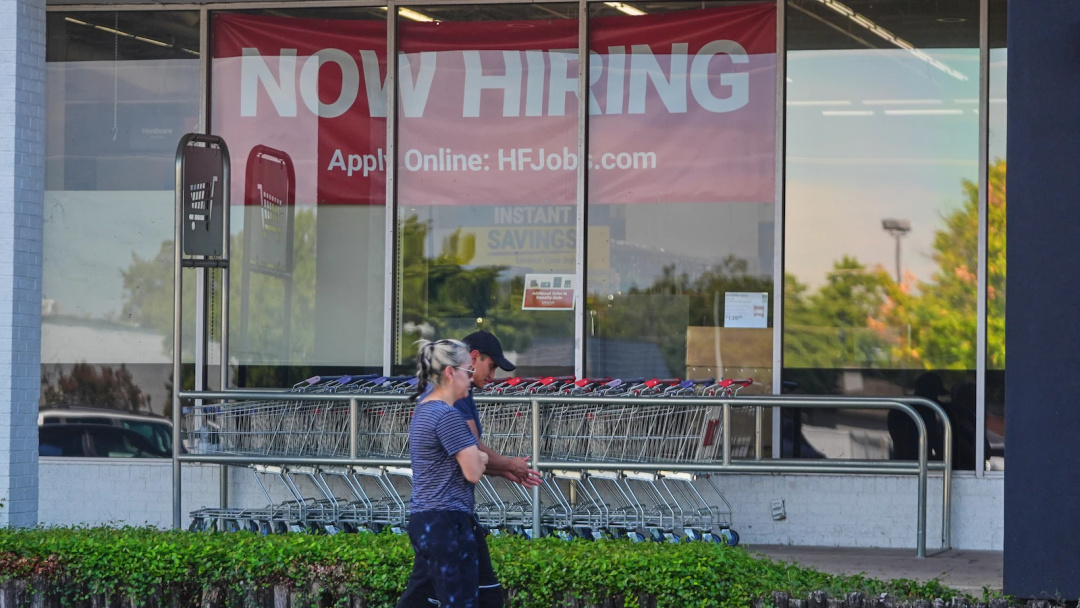
Unemployment Struggles: Insights from Job Seekers in a Tough Market

The job market may appear deceptively healthy at first glance, with low unemployment rates reported. However, many individuals seeking work are experiencing a starkly different reality. Recent data from the Bureau of Labor Statistics indicates that a significant portion of unemployed Americans, specifically 25.5%, have been searching for work for at least 27 weeks. This prolonged job search is compounded by a cooling labor market, as noted by economists who predict that AI will reshape various aspects of white-collar employment.
In a recent Reddit thread, job seekers shared their personal experiences, revealing the challenges they face in a competitive job market. One individual recounted the lengths they went to confirm their phone was still operational, highlighting the emotional weight of unanswered applications. After a decade of freelancing as an animator, another worker found themselves unable to secure even entry-level positions, despite previously earning enough to purchase a home.
Market Reading & Resources
Sponsor funding complete. Trade on.
The anxiety surrounding job searches is palpable, with one commenter reflecting on their father's concerns about being blacklisted from employment. This fear looms large for many, adding to the stress of an already difficult situation. Another story detailed a chemist and marine biologist who, after layoffs at their company, transitioned from a $34-an-hour scientific role to a $16.50-an-hour retail job, illustrating the drastic shifts in employment opportunities.
A freelancer with ten years of experience noted that advancements in AI had effectively eliminated their previous line of work, leaving them to apply for positions in restaurants and retail without success. Similarly, a highly experienced neuroscientist faced challenges as employers were unwilling to meet her salary expectations, leading to vacant positions rather than hiring qualified candidates.
Networking emerged as a crucial strategy for job seekers, with one individual emphasizing the importance of professional relationships in uncovering job opportunities. The emotional toll of unemployment is evident, with one commenter expressing feelings of failure upon waking each day, underscoring how prolonged joblessness can impact self-worth.
Another job seeker, a proofreader with a decade of experience, shared that after being laid off, they struggled to find work, with companies increasingly hesitant to consider applicants who had been unemployed for extended periods. The absurdity of hiring practices was highlighted by a commenter who noted their company’s need for software engineers yet opted to hire workers from abroad despite logistical challenges.
One applicant described sending out 240 job applications, receiving 210 responses, and ultimately securing only 15 interviews. The feedback from employers often cited insufficient experience without offering constructive advice for improvement. This sentiment was echoed by a worker with twenty years of experience, who characterized the current job market as the most challenging they had encountered in their career.
The landscape of job searching has evolved, with applicants now facing competition not only from other job seekers but also from automated systems and scams. One individual lamented the prevalence of fake job postings and automated interviews, while their professional network faced layoffs or anticipated them.
Reflecting on their own experience, one worker noted that after leaving a job in 2023, they quickly found another position. However, after their hospital closed in September 2025, they have been searching for nearly a year without success. These narratives illustrate the complexities and emotional challenges of navigating the current job market, where the gap between perceived opportunity and actual experience continues to widen.