Iran's Rial Reaches Record Low Against Dollar Amid Ongoing Sanctions
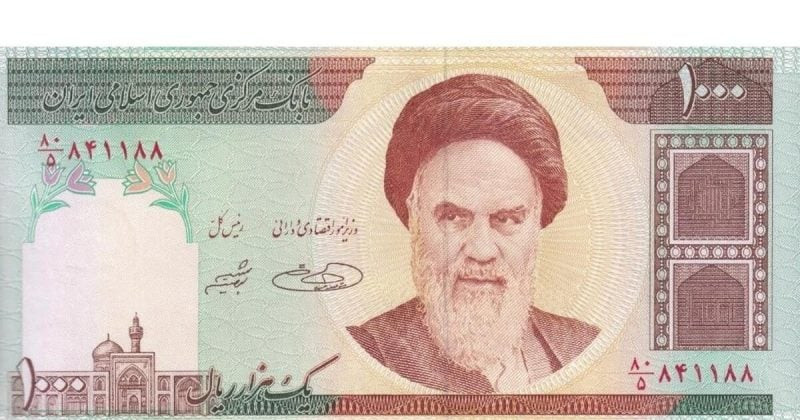
Iran's rial has reached a historic low, trading at approximately 2 million rials per US dollar on the open market. This marks a significant milestone that many economists believed was unattainable just a year ago. The rapid depreciation of the rial has intensified, with the exchange rate rising from about 1,918,000 rials per dollar on July 17 to between 2,005,000 and 2,025,000 by August 24, representing a decline of roughly 5% in just over five weeks.
The trajectory of the rial's value has been alarming. Earlier this year, in late January, it was valued at 1.5 million rials per dollar, which was then considered a record low. By late April, geopolitical tensions had pushed the rate to 1.81 million rials per dollar. Each new low has quickly become a new ceiling for the currency.
Market Reading & Resources
Sponsor funding complete. Trade on.
While the official exchange rate set by Iran's central bank presents a more favorable picture, the open-market rate, which is critical for Iranians purchasing imported goods or safeguarding their savings, consistently exceeds 1.5 to 2 million rials per dollar. This discrepancy highlights the economic distortions present in the Iranian economy.
Inflation in Iran has surpassed 40% year-on-year, with food prices experiencing particularly sharp increases. The depreciation of the rial and rising inflation create a vicious cycle: a weaker currency makes imports more expensive, driving up prices and further undermining confidence in the rial.
The primary driver of the rial's collapse is the US economic sanctions, which severely limit Iran's ability to sell oil internationally, restrict access to the global financial system, and deter foreign investment. The sanctions have been progressively tightened, particularly since 2026, targeting not only Iranian entities but also third-party actors involved in sanctions evasion through intermediaries in countries such as the UAE, Turkey, and China.
The currency crisis is not a new phenomenon; the rial has been in decline for decades, with the most significant drops occurring during periods of intense US pressure. The reimposition of sanctions in 2018, following the US withdrawal from the nuclear deal, initiated a wave of depreciation from which the rial has not recovered.
Although Iran's oil exports have been reduced, they have not ceased entirely. Iran continues to sell crude oil, primarily to China, often at steep discounts and through opaque channels. However, the volumes and prices are insufficient to stabilize the currency.
The central bank's foreign reserves are believed to be under considerable strain, with many assets frozen in overseas accounts due to sanctions, limiting the government's capacity to intervene in currency markets.
The inflation rate exceeding 40% has created significant domestic political pressure. Historically, currency crises have led to social unrest in Iran, as seen during the protests in 2019 and 2022.
The implications of Iran's currency crisis extend beyond its borders, affecting regional trade. Merchants in Iraq, Afghanistan, and other neighboring countries must navigate an exchange rate that can fluctuate significantly within a short period, complicating cross-border transactions.