Neel Kashkari on Rising US Treasury Yields and Monetary Policy
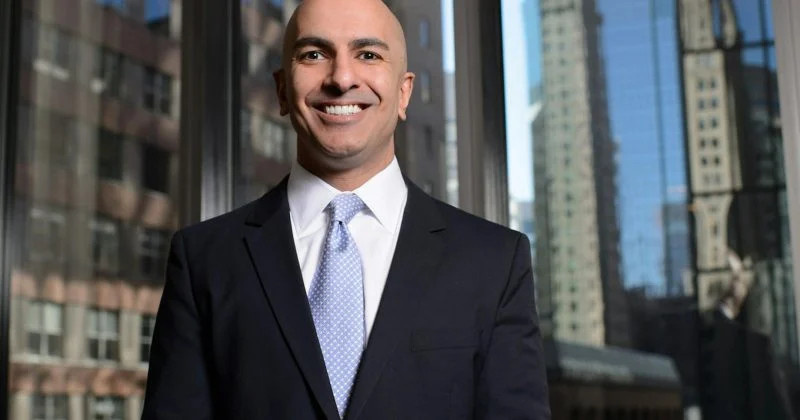
Neel Kashkari, the President of the Federal Reserve Bank of Minneapolis, has characterized the current state of the markets as orderly and functioning well, despite a notable increase in long-term borrowing costs. He has indicated that the Federal Reserve is not inclined to make hasty policy changes in response to fluctuations in the bond market. The 10-year Treasury yield is currently around 4.7%, while the 30-year yield has surpassed 5%, levels not seen consistently since the mid-2000s.
Kashkari pointed to several factors contributing to the rise in yields, including increasing government borrowing demands, which reflect a growing federal deficit, and a surge in capital expenditures related to artificial intelligence and data center construction. He refrained from prioritizing these factors, suggesting they are interconnected rather than isolated causes.
Market Reading & Resources
Sponsor funding complete. Trade on.
In his assessment, Kashkari has consistently linked the movement in yields more to fiscal and trade policies than to the Federal Reserve's short-term interest rate decisions. He believes the central bank's primary role is to manage inflation expectations rather than micromanage the long end of the yield curve.
To alleviate pressure on long-dated bonds, Treasury Secretary Scott Bessent has initiated expanded debt buyback operations, which involve the Treasury repurchasing older, less liquid bonds to enhance market functioning. Among members of the Federal Open Market Committee (FOMC), Kashkari is regarded as one of the more hawkish voices, advocating for a cautious tightening of monetary policy to address inflation risks.
Kashkari has emphasized a gradual, data-dependent approach, indicating that the Fed will rely on concrete economic indicators, such as employment reports and inflation readings, before making any significant policy shifts. He has made it clear that volatility in the bond market alone will not trigger a change in direction.
With the 30-year yield exceeding 5%, financing for long-term projects, including those in housing, infrastructure, and technology, has become significantly more expensive compared to two years ago. Higher risk-free rates also make equities less appealing relative to bonds, as investors can earn nearly 5% on government bonds, raising the hurdle rate for riskier investments. This dynamic is particularly impactful for growth stocks, which are sensitive to changes in future cash flow valuations due to increased discount rates.
The upcoming economic reports, especially those related to inflation and employment, will be critical in determining whether the broader FOMC aligns with Kashkari's current stance on monetary policy.