Iranian Families Face Economic Hardship Amid Intensifying Sanctions
In Tehran, grocery stores are filled with products, yet many families find it increasingly difficult to afford even the most basic necessities. The economic situation has worsened significantly, with soaring unemployment and inflation rates making it hard for those employed to maintain their standard of living. Ahmad Karimi, a 52-year-old taxi driver, shared his experience of working long hours just to make ends meet, stating, "We have virtually given up on many things." Families are cutting back on fruits and proteins, and leisure activities have become a luxury they can no longer afford.
The Iranian economy is under severe strain due to ongoing sanctions and a naval blockade that hampers oil exports, a critical revenue source for the country. Experts are skeptical about whether these economic pressures will lead to political concessions from Iran, as the nation has shown resilience in the face of sanctions. Iran has been adept at circumventing restrictions through domestic production and informal trade networks.
Market Reading & Resources
Sponsor funding complete. Trade on.
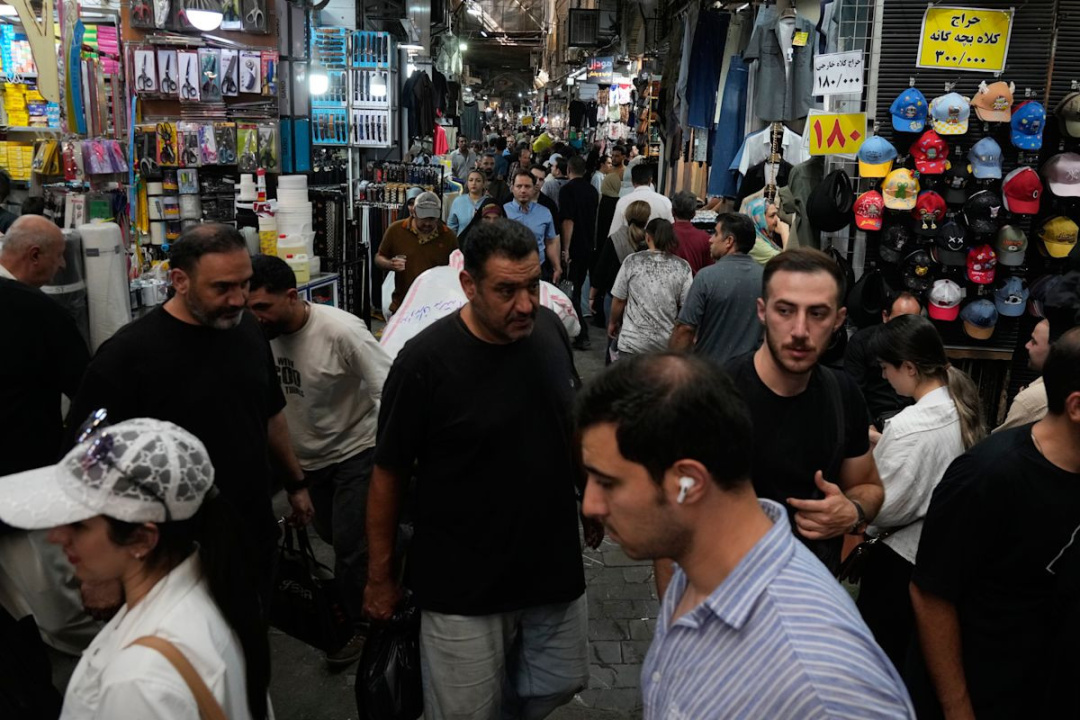
The Grand Bazaar in Tehran is bustling with shoppers seeking more affordable staples, as prices for essential goods have skyrocketed. A mother from northern Iran expressed her frustration after spending a significant amount on basic items without being able to purchase meat. She described the emotional toll of having to deny her children the things they want, highlighting the exhausting decisions families face daily.
Inflation in Iran is projected to reach nearly 70% by the end of the year, with the economy expected to contract by over 5%. While gasoline remains subsidized, there are concerns that this too may change, potentially leading to public unrest. The Iranian government has faced protests over economic conditions, and although the leadership has cracked down on dissent, many citizens remain patient despite their hardships.
The Iranian leadership is aware of the growing discontent and has expressed a desire to negotiate an end to the conflict, focusing on the economic well-being of the populace. However, the Revolutionary Guard's influence remains strong, advocating for tougher stances in negotiations. As the situation evolves, many Iranians are left to navigate the challenges of daily life amid economic turmoil, with the hope that conditions will improve soon.