Walmart Reports Mixed Financial Results Amid Rising Gas Prices
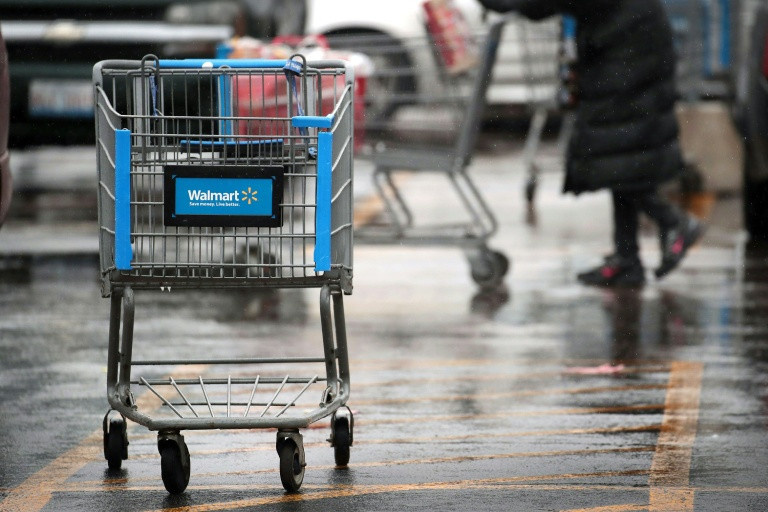
Walmart reported mixed financial results, surpassing analyst expectations while experiencing a slowdown in U.S. sales growth as consumers grappled with high gasoline prices. The retailer attributed much of its recent performance to investments funded by U.S. tariff refunds aimed at attracting customers affected by inflation, particularly as gasoline prices remained above $4 a gallon for much of the quarter.
In the latest quarter, U.S. comparable sales grew by 2.6 percent, a decline from the 4.1 percent growth seen in the first quarter, which negatively impacted the company's stock. Walmart also faced challenges from a new U.S. regulation that imposed a price cap on ten top-selling pharmaceutical products, further complicating its financial landscape.
Market Reading & Resources
Sponsor funding complete. Trade on.
Executives emphasized their commitment to lowering prices, noting that the company implemented over 11,000 price cuts during the quarter. Chief Financial Officer John David Rainey highlighted the incremental pressure on consumers due to rising fuel costs, stating that the company is focused on long-term strategies rather than short-term gains.
Walmart is also anticipating a significant impact from increased energy prices, estimating a $2 billion drag on its costs for the year. Rainey acknowledged the limitations companies face in absorbing such costs, suggesting that sustained high oil prices could lead to increased prices for consumers.
For the second quarter, Walmart reported profits of $6.4 billion, a decrease of 9.4 percent compared to the same quarter last year. However, revenues rose to $187.9 billion, marking a 5.9 percent increase from the previous year, as the company raised its full-year profit and sales forecasts.
Despite the challenges, Walmart noted gains in market share across various income categories, particularly among higher-income households. The company also reported stronger growth in grocery sales compared to health and wellness or general merchandise categories.
Analysts have expressed mixed views on Walmart's performance, with GlobalData Managing Director Neil Saunders describing the results as strong but noting that the U.S. comparable sales growth is the slowest in over six years. He raised concerns about whether the consumer base is beginning to show signs of fatigue, particularly as gains from higher-income shoppers may be diminishing.
Shares of Walmart fell by 9.4 percent in mid-morning trading following the announcement of these results. The ongoing economic pressures and changing consumer behaviors continue to shape the retail landscape as Walmart navigates these challenges.