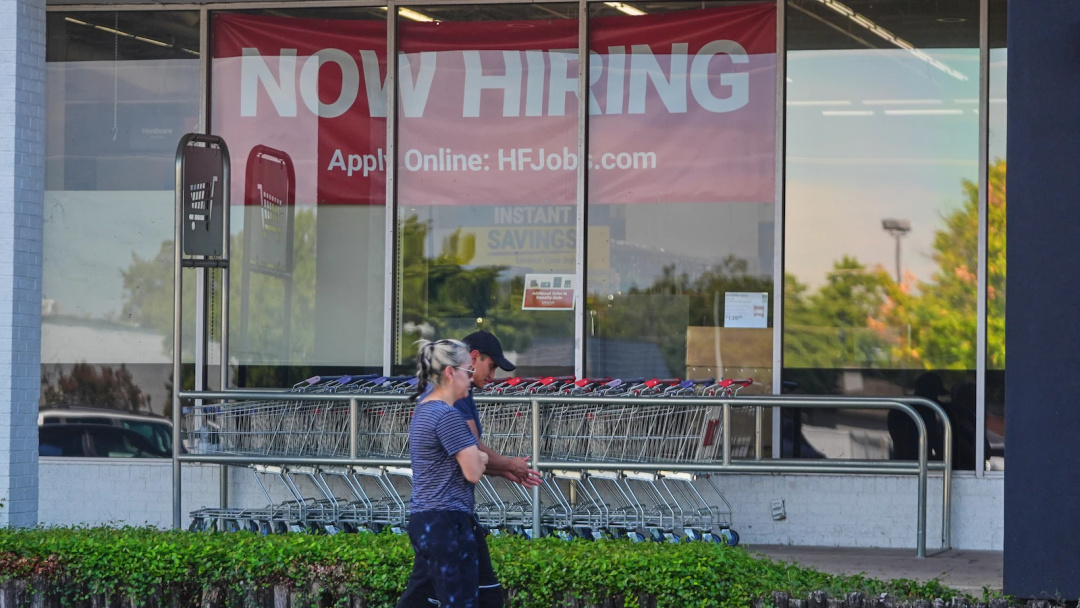
U.S. Unemployment Claims Fall to 206,000 as Layoffs Remain Low
The Labor Department has reported a decline in U.S. unemployment claims, which fell to 206,000 last week from a revised figure of 212,000 the previous week. This decrease is seen as a positive indicator of job security, as layoffs remain low across the country. The four-week average of claims, which helps smooth out weekly fluctuations, increased slightly to 204,000 from 199,750. Economists closely monitor these claims as they serve as a proxy for layoffs and can signal trends in the job market.
For over a year, unemployment claims have consistently remained within a historically low range of approximately 200,000 to 230,000 per week. Carl Weinberg, chief economist at High Frequency Economics, noted that the labor market has not shown signs of deterioration despite rising oil prices linked to geopolitical tensions, particularly the conflict involving Iran.
Market Reading & Resources
Sponsor funding complete. Trade on.
In the week ending August 8, the number of individuals receiving unemployment benefits rose to 1.8 million, up from 1.78 million the prior week. The current unemployment rate stands at 4.1%, a figure attributed to the economy's resilience in the face of increasing energy costs. Factors such as immigration policy changes and the retirement of baby boomers have contributed to a reduced pool of job seekers, with over 1.3 million individuals exiting the labor force in the past year.
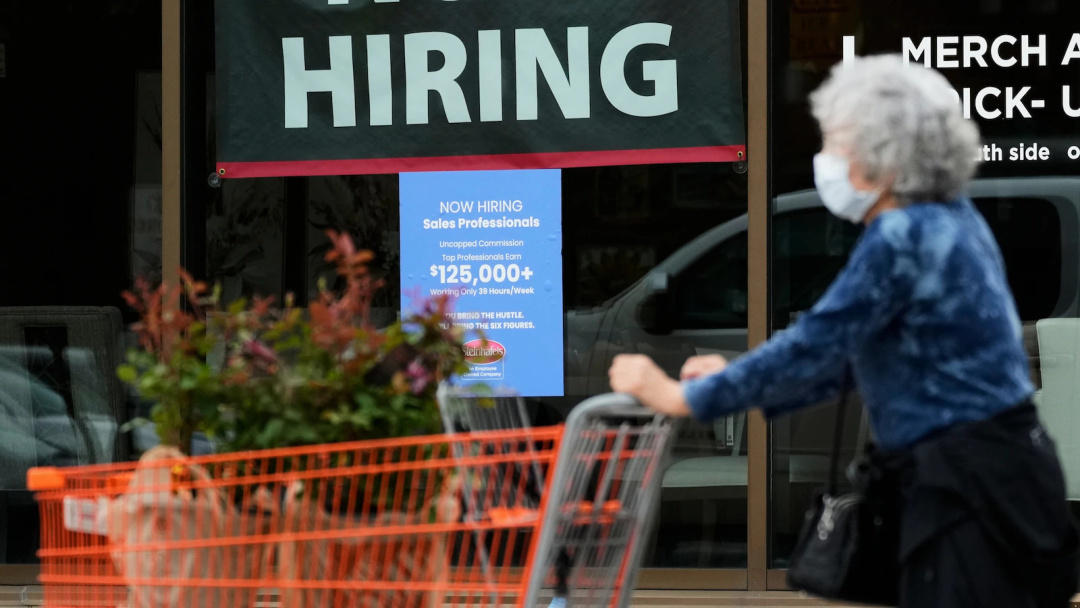
While the job market remains challenging for first-time job seekers and those re-entering the workforce, companies are hesitant to lay off employees due to past experiences with labor shortages following the COVID-19 pandemic. This has led to a so-called "no hire, no fire" job market, where businesses are cautious about both dismissing staff and expanding their workforce.
In July, job cuts totaled 23,000 across various sectors, while employers have added an average of 61,000 jobs per month this year, an improvement compared to the previous year's average of 9,700 jobs per month, which was the weakest hiring rate outside of a recession since 2002. However, hiring rates remain significantly lower than the average of 166,000 jobs created monthly in 2023 and 2024, and far below the 491,000 monthly jobs recorded during the hiring surge following pandemic lockdowns.