Flattening JGB Yield Curve and Rising U.S. Yields May Influence Fed Policy
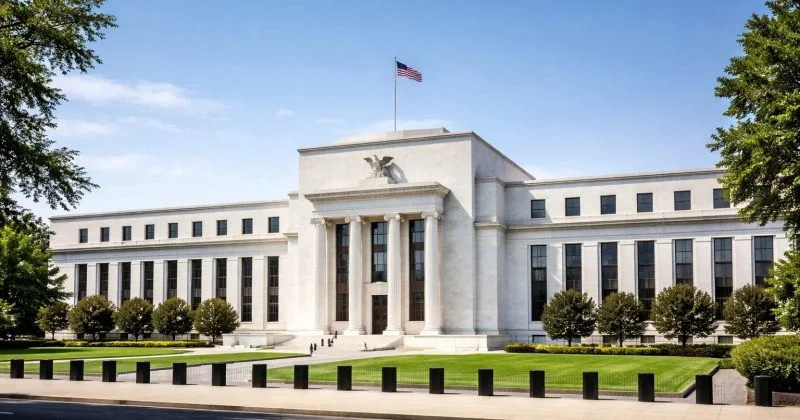
The Japanese Government Bond (JGB) yield curve has recently flattened, a development attributed to the rise in U.S. Treasury yields. As reported, the U.S. 10-year Treasury yields are approaching 4.7%, while 30-year yields have surpassed 5.3%, marking the highest levels since 2007. This increase in U.S. yields has led to a corresponding rise in Japan's long-end yields, with the 10-year and 30-year JGBs reported at approximately 2.9% and 4.1%, respectively, as of August 18. The flattening of the JGB curve indicates tighter pricing conditions in Japan's sovereign debt market, which may influence the Federal Reserve's monetary policy stance. The Fed's decisions are under close scrutiny, particularly in light of these yield movements, as markets assess the likelihood of changes in interest rate strategies. Observers are particularly focused on the upcoming Federal Reserve meetings, especially the one scheduled for September 16, to evaluate any potential shifts in monetary policy that could be influenced by the current yield environment. The market's perception of possible Fed actions will be crucial, as indicated by current pricing in prediction markets. Additionally, geopolitical developments, particularly in the Middle East, may further impact global markets and Fed decisions. Stakeholders are advised to watch for statements from key Fed officials, including Chairman Kevin Warsh, which could provide insights into future policy directions.
Market Reading & Resources
Sponsor funding complete. Trade on.