Fed Minutes Indicate Ongoing Inflation Risks and Support for Rate Hikes
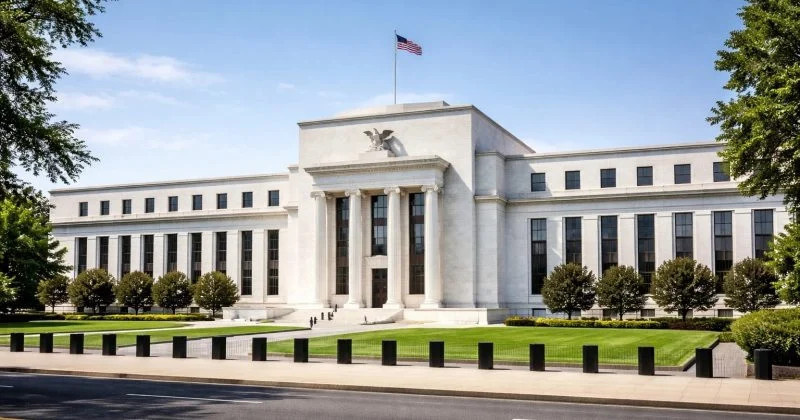
The minutes from the Federal Reserve's July 28–29, 2026, FOMC meeting indicate that inflation risks continue to lean towards the upside, with some officials expressing support for rate hikes. The document underscores persistent concerns regarding financial stability, particularly due to the influence of AI-driven investment demand and leverage. Although the Fed has kept the federal funds target range steady at 3.50%–3.75%, it recognizes that inflation remains significantly above its 2% target. This situation has resulted in a divided opinion among officials, with some advocating for an increase in rates if inflation continues to be a concern.
Market reactions to these developments suggest a growing expectation of a rate hike in the near future. The probability of a rate increase by the upcoming October meeting has climbed to 40.5%, up from 38% the previous day, indicating that market participants perceive the Fed's position as increasingly aligned with tightening monetary policy. In contrast, the chances of a rate cut in the near term are minimal, with market pricing reflecting less than a 1% likelihood of such an outcome.
Market Reading & Resources
Sponsor funding complete. Trade on.
The complexities surrounding AI valuations and financial leverage add further challenges to the Fed's decision-making process. Striking a balance between managing inflation and ensuring financial stability appears to be a primary concern for the Federal Reserve as it navigates these intricate issues.
Looking ahead, market movements are likely to depend heavily on forthcoming economic data releases, especially those related to inflation and employment metrics. Significant shifts in core CPI or PCE could play a pivotal role in influencing the Fed's policy decisions. Additionally, insights from key Federal Reserve officials, including Jerome Powell, may offer further clarity on the Fed's policy trajectory. Observers should also monitor trends in AI investments and leverage, as these factors could significantly impact discussions surrounding financial stability at future FOMC meetings.