Riksbank Considers Rate Hike in Response to Inflation Pressures
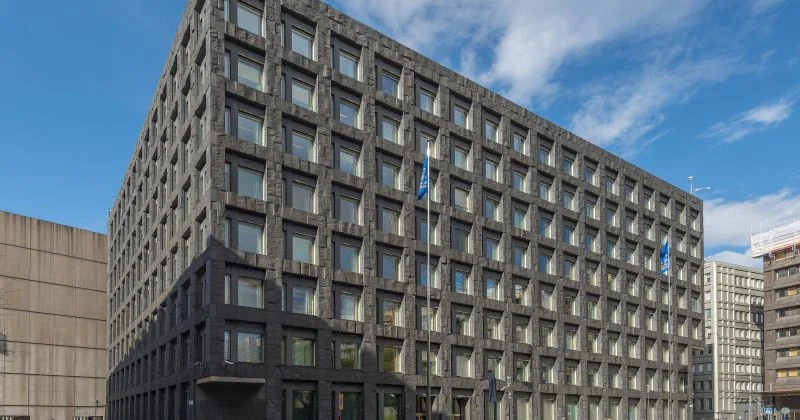
On June 17, Sweden's central bank, the Riksbank, decided to keep its policy rate steady at 1.75%. However, the bank signaled that it is prepared to implement a rate hike if inflation escalates due to ongoing geopolitical tensions, particularly the conflict in the Middle East. This rate has been unchanged since March 2026, following three rate cuts in 2025.
Market analysts are currently pricing in a roughly 50% chance of a 25-basis-point rate hike in the fourth quarter of 2026. The Riksbank has adjusted its 2026 CPIF inflation forecast down slightly to 0.6%, from 0.7%. However, the outlook for 2027 is more concerning, with expectations for CPIF inflation to rise to 2.7%, significantly above the bank's 2% target. This increase is largely attributed to rising energy and commodity prices, which have been affected by supply disruptions related to the Iran conflict.
Market Reading & Resources
Sponsor funding complete. Trade on.
The governor of the Riksbank has emphasized a flexible approach to monetary policy, indicating that decisions will be made based on evolving economic conditions rather than a fixed plan. Throughout 2025, the Riksbank had been in an easing phase, implementing three consecutive rate cuts that lowered the policy rate to its current level. However, the recent volatility in energy prices and commodities has introduced new inflation risks, with the current CPIF inflation rate reported at 0.7% as of July 2026.
Looking ahead, the Riksbank's next monetary policy meeting is scheduled for August 19, 2026, where updated projections will be released. A potential rate hike could have broader implications beyond Swedish government bonds. The Swedish krona's value is sensitive to interest rate differentials with the eurozone and the United States, and any tightening of rates could bolster the currency. For investors in Nordic equities, particularly in sectors like real estate and utilities, rate hikes typically lead to compressed valuations, as seen during the previous tightening cycle from 2022 to 2023.
The market's current 50-50 odds regarding a rate hike in Q4 suggest uncertainty among traders, making the upcoming August meeting a critical event that could influence future monetary policy decisions.