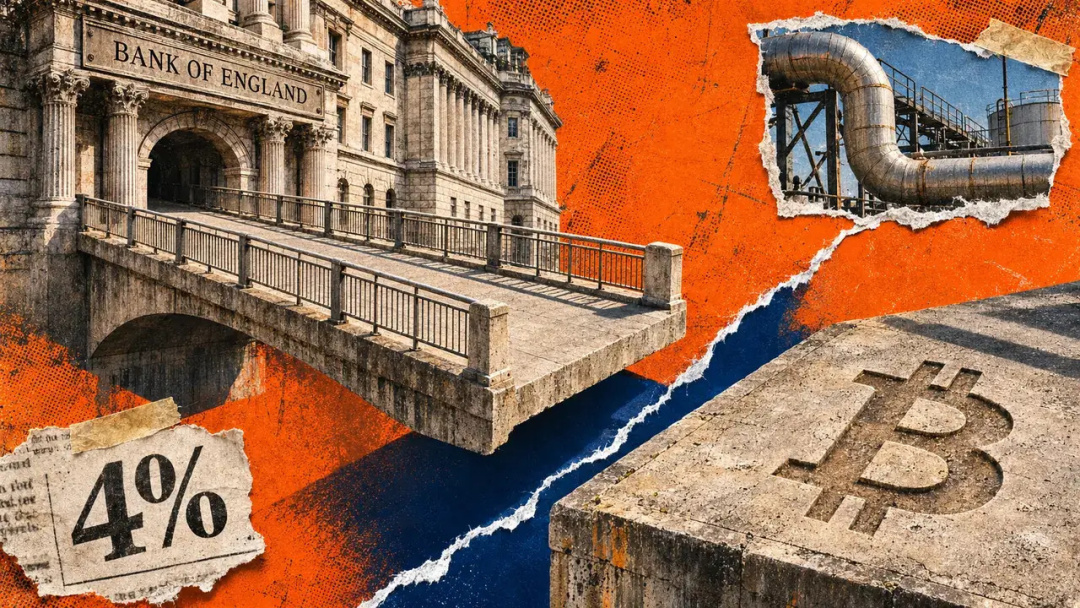
UK Inflation Increases to 2.9% in July Driven by Rising Energy Costs
Britain's annual inflation rate rose to 2.9 percent in July, according to official data released by the Office for National Statistics. This increase, up from 2.6 percent in June, was primarily driven by higher energy costs. A 13 percent hike in the price cap on household energy bills, which took effect last month, significantly contributed to this rise. The ONS noted that this marked the largest increase in gas prices in nearly four years.
In response to the inflation figures, Prime Minister Andy Burnham has announced measures aimed at alleviating cost-of-living pressures, including a tax cut on household electricity prices and a cap on bus fares. Finance Minister John Healey commented on the situation, stating that while inflation linked to the ongoing US-Iran conflict continues to affect prices domestically, the UK economy remains resilient. He emphasized the need for further actions to foster a stronger economy that shares prosperity more equitably.
Market Reading & Resources
Sponsor funding complete. Trade on.
Analysts predict that inflation may continue to rise as the impact of higher energy costs permeates through to consumer bills. With no immediate resolution in sight for the Middle East conflict, the pressure on prices is expected to persist. The Bank of England maintained its benchmark interest rate at 3.75 percent last month, despite inflation remaining significantly above its two percent target.
Investment manager Jonathan Raymond from Quilter Cheviot remarked that a renewed spike in inflation was anticipated as the geopolitical situation remains unstable. He noted that the ongoing tensions in the Strait of Hormuz are unlikely to resolve soon, suggesting that inflationary pressures will likely continue for the remainder of the year.