Nigerian Presidential Campaigns Begin Amid Economic Challenges
Campaigning for Nigeria's presidential elections began on Wednesday, five months ahead of the polls, which are set to be significantly influenced by the ongoing economic challenges, particularly high inflation and President Bola Tinubu's economic reforms. Nigeria, Africa's most populous nation, has been facing years of economic instability and violence from armed groups, while a fragmented opposition may inadvertently benefit Tinubu as he seeks re-election.
Since taking office in 2023, President Tinubu has implemented ambitious economic reforms, including the elimination of a costly fuel subsidy that had previously kept prices artificially low. While these reforms have garnered praise from economists and investors, they have also led to a severe cost-of-living crisis, with inflation soaring to 34 percent at one point. Although headline inflation eased to 15.4 percent in July, the economic situation remains dire for many Nigerians.
Market Reading & Resources
Sponsor funding complete. Trade on.
The World Bank reports that over 60 percent of the population now lives below the poverty line, a significant increase from 40 percent in 2019. This ongoing slide into poverty has been exacerbated by various security crises, including conflicts involving jihadists, bandit gangs, and disputes between farmers and herders.
According to Ladd Serwat, a senior Africa analyst, violence has escalated since 2024, driven by the rise of armed banditry in northern and central Nigeria, as well as increased conflict in Borno state, a hotspot for jihadist activity. The opposition parties, meanwhile, have struggled to present a unified front or articulate clear policy differences from Tinubu's administration, hampered by internal disputes and legal challenges.
For many voters, economic issues remain paramount. Civil servant Afolayan Abdullahi, 42, expressed his intention to vote for Tinubu, emphasizing the importance of addressing the economy and cost of living. Tinubu, known for his political acumen, leads the All Progressives Congress, which holds a majority in the national assembly and controls 31 of Nigeria's 36 governorships.
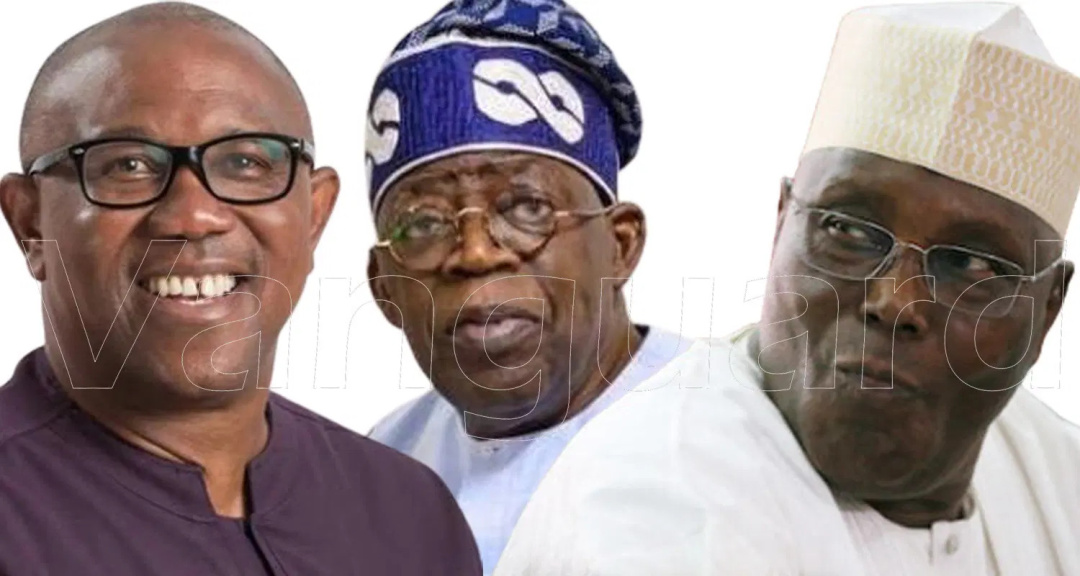
The upcoming election on January 16 will see Tinubu facing off against former southeastern governor Peter Obi and ex-vice president Atiku Abubakar, both of whom are vying for a chance to unseat him. In the previous election, Tinubu secured victory with 36.6 percent of the vote, while Abubakar and Obi received 29 percent and 25 percent, respectively. Rabiu Kwankwaso, who garnered about six percent of the vote last time, has allied with Obi to run as his vice president.
Concerns about safety and the integrity of the electoral process persist among voters. Becky Alegbe, a street vendor in Abuja, highlighted the risks associated with traveling to vote, citing increased transportation costs and fears of vote buying that have marred past elections. Voter turnout in the 2023 elections was notably low, at just 27 percent, raising questions about the upcoming election's participation rates.