Nikkei 225 Falls 2.5% Amid Semiconductor Stock Declines and Rising Bond Yields
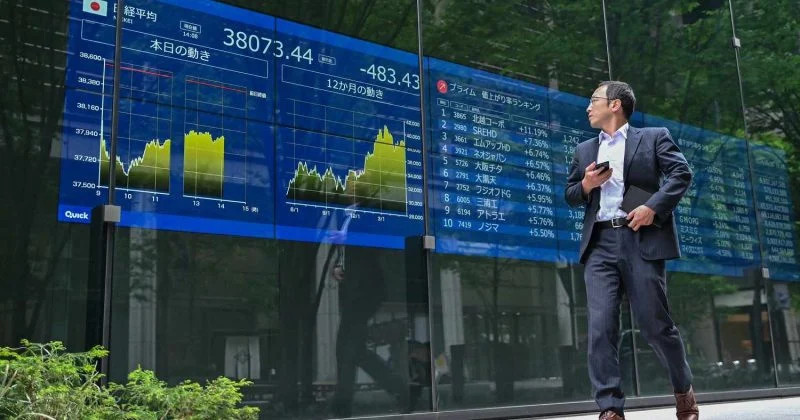
Japan's Nikkei 225 index has fallen for the second consecutive session, closing at 67,460.73 on August 19, down approximately 2.54% from the previous day's close of 69,220.25. This decline is largely attributed to significant losses in semiconductor stocks and increasing government bond yields, which have added pressure to an already jittery market. Since peaking at around 73,007 in June, the index has lost more than 7% in just a few months.
Leading the sell-off are major semiconductor equipment manufacturers Advantest and Tokyo Electron, whose shares have dropped between 4% and 9% in recent weeks. Additionally, Kioxia, a prominent memory chipmaker, has also been adversely affected. The situation is mirrored in South Korea, where chip giants Samsung and SK Hynix are facing similar challenges. Investor sentiment in the US tech sector has soured as questions arise regarding the returns on substantial investments in AI infrastructure.
Market Reading & Resources
Sponsor funding complete. Trade on.
The Nikkei had previously suffered a nearly 4% drop in a single day on July 28, driven by comparable concerns, and this pattern of volatility has persisted throughout July and August 2026, testing the resolve of long-term investors. The 10-year Japanese government bond (JGB) yield has surged to between 2.775% and 2.95%, nearing levels not seen in 30 years. This is significant considering that Japanese bond yields remained mostly above zero and even negative for extended periods during the 2010s.
As bond yields rise, they become more attractive compared to stocks, particularly for growth and tech companies whose valuations heavily rely on future earnings. An increase in the risk-free rate diminishes the present value of these future cash flows, a trend that has previously impacted US tech stocks during the Federal Reserve's aggressive rate hikes in 2022 and 2023, and is now affecting Japan's market.
Japan's public debt, the highest among developed nations relative to GDP, means that even slight increases in borrowing costs can have significant implications for the government's budget. When constituents of the Philadelphia Semiconductor Index decline, companies like Advantest and Tokyo Electron typically follow suit within hours, with South Korean chipmakers amplifying the market signals.
While the Nikkei's more than 7% drop from its June peak does not yet constitute a full correction by the traditional 10% threshold, the downward trajectory remains consistent. The upcoming US tech earnings season is likely to serve as the next catalyst for market movements.