Bond Traders Adjust Expectations for Federal Reserve Rate Cuts in 2027
The bond market is undergoing a notable shift as traders reassess their expectations for the Federal Reserve's rate path under the new chair, Kevin Warsh. Earlier this year, market participants were largely betting that the Fed would continue to cut rates well into 2027. However, recent options market activity indicates a pivot, with traders now hedging against the possibility of rate hikes instead.
In February, traders were heavily investing in positions that anticipated rate cuts extending into the following year. A series of economic data releases had led to a consensus that rate hikes were unlikely for the remainder of 2026. This consensus, however, has recently unraveled.
Market Reading & Resources
Sponsor funding complete. Trade on.
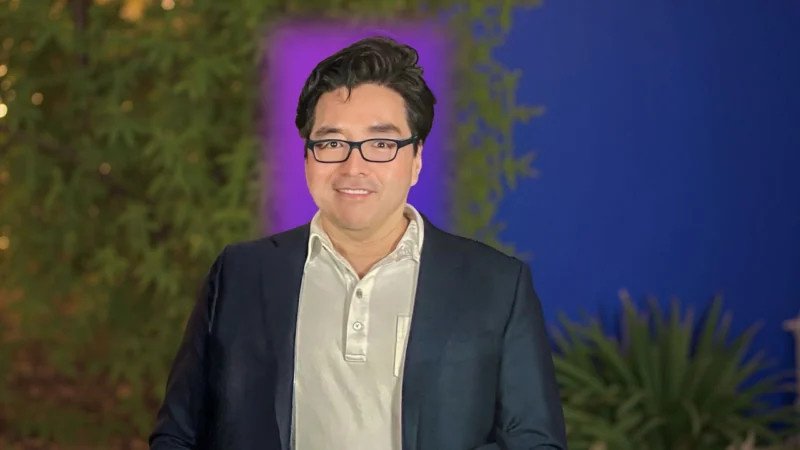
The change in sentiment can be attributed to Kevin Warsh's appointment as Federal Reserve Chair on May 22, succeeding Jerome Powell. Warsh's tenure has coincided with inflation data that complicates the case for continued dovish policies, prompting a reassessment of economic indicators that now suggest potential tightening rather than ongoing easing.
By mid-August, futures markets reflected a starkly different outlook compared to six months prior. The effective federal funds rate was approximately 3.63%, but traders were now pricing in an increase to around 3.8% by November 2026. Projections for August 2027 indicate rates could approach 4%, marking a significant shift of roughly 40 basis points over the next year.
Earlier hedging strategies in 2026 were characterized by cautious optimism regarding a lower-rate environment. However, this optimism has diminished in light of new leadership and updated economic data.
The relationship between rate expectations and the crypto market has historically been significant, albeit not always precise. Periods of monetary tightening typically correlate with reduced speculative interest and lower liquidity in digital assets. Previous rate-cutting cycles have provided tailwinds for Bitcoin and other cryptocurrencies, as investors sought higher returns by taking on more risk. A potential reversal, with rates climbing back toward 4%, could negatively impact the liquidity flows that have previously benefited the crypto market.
The SOFR options market, which has become the primary platform for expressing rate expectations since the transition from LIBOR, will continue to serve as a real-time indicator of market sentiment. Currently, the prevailing sentiment suggests that the prospect of higher rates for an extended period is back on the table.