Rising Diesel Prices Impact US Economy and Inflation
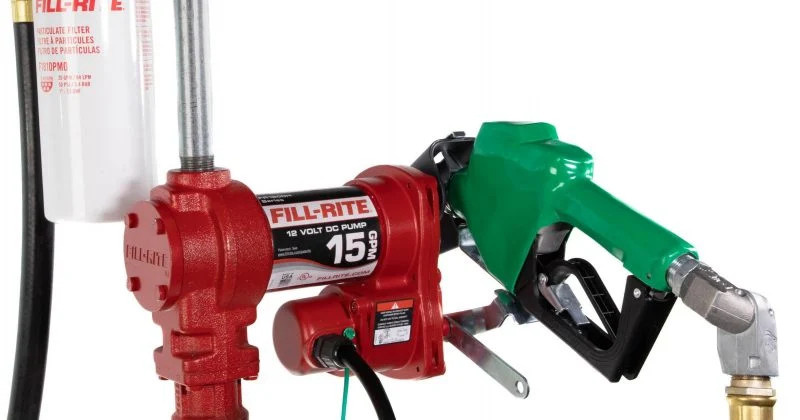
The national average price of diesel fuel in the United States has seen a dramatic increase, climbing from $3.53 to $5.45 per gallon since January 2026. This 54% rise in less than eight months is attributed to ongoing conflicts in the Middle East, particularly in Iran, and disruptions in refinery operations in Russia and Saudi Arabia. These factors have created significant uncertainty in the supply of diesel fuel, which is crucial for various sectors of the economy.
As of mid-August, diesel prices have consistently exceeded $5 per gallon, with August on track to become the most expensive month for diesel on record. The US Energy Information Administration reports that diesel prices have averaged around $5.40 per gallon, with earlier peaks reaching $5.64 earlier in the year. The geopolitical tensions in the Strait of Hormuz, a critical passage for global oil traffic, have exacerbated these price increases.
Market Reading & Resources
Sponsor funding complete. Trade on.
The impact of rising diesel prices extends beyond the fuel itself. Diesel is essential for transporting goods, powering trucks that carry approximately 72% of US freight tonnage, as well as trains, tractors, and heavy construction equipment. For trucking companies, fuel costs represent a significant portion of their operating expenses. A fleet of 100 trucks, each consuming 20,000 gallons annually, could face an additional $2 million in fuel costs compared to earlier in the year.
Economists note that inflation driven by diesel prices tends to linger longer than that caused by gasoline price fluctuations. This is due to diesel's integral role in the production and distribution processes of goods. As midterm elections approach, the sustained rise in fuel costs is likely to become a pressing political issue, as consumers notice increases in everyday expenses, such as grocery bills and construction bids.
The agricultural sector is particularly vulnerable to these rising costs. With planting and harvest seasons requiring substantial fuel, farmers operating on narrow profit margins may find it challenging to maintain profitability. Higher diesel prices during critical growing periods could lead to reduced crop acreage or changes in crop selection, impacting food prices well into 2027.
Similarly, the construction industry faces challenges as heavy machinery predominantly relies on diesel fuel. Contractors may be unable to delay projects due to rising costs, and those locked into fixed-price contracts may absorb losses, while new bids will reflect the current high-cost environment. The ripple effects of soaring diesel prices are likely to be felt across the economy for the foreseeable future.