Federal Reserve Minutes Gain Significance as Warsh Alters Communication Style
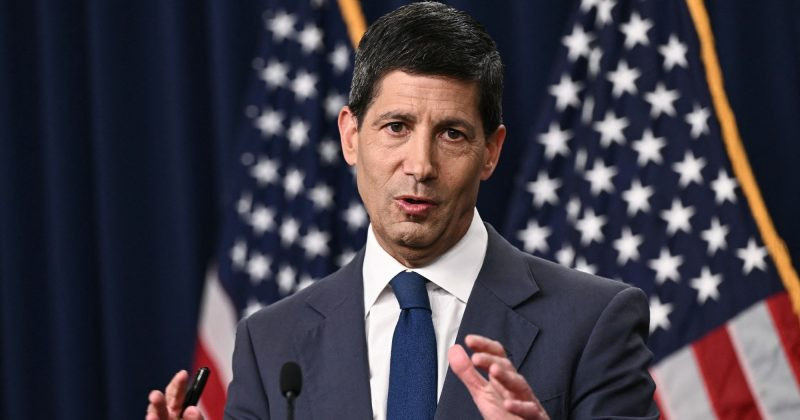
Kevin Warsh's tenure as Fed Chair, which began in May 2026, has marked a significant change in the Federal Reserve's communication strategy. His approach has led to a reduction in the forward guidance that has characterized modern central banking, resulting in shorter post-meeting statements, a lack of detailed rate projections, and fewer informative press conferences. Consequently, the FOMC meeting minutes have become the primary resource for traders seeking insights into the Fed's thoughts and intentions.
The shift in communication became evident on July 29, 2026, when Warsh eliminated explicit forward guidance from the Fed's post-meeting communications. At his first FOMC meeting in mid-June, the committee decided to maintain interest rates in the 3.50%-3.75% range. While this decision was anticipated, the minimal explanation provided raised eyebrows among market observers.
Market Reading & Resources
Sponsor funding complete. Trade on.
The FOMC minutes released on July 8 revealed significant internal disagreements among Fed officials regarding the inflation outlook. Some members advocated for rate hikes, while others suggested that the economy was cooling enough to warrant maintaining or even reducing rates. This internal discord adds complexity to market pricing, as traders must wait weeks for the minutes to clarify the committee's stance.
Warsh's communication strategy appears deliberate, as he has initiated task forces to evaluate communication methods, the Fed's balance sheet, and inflation frameworks. He has even proposed reducing the frequency of FOMC meetings from eight per year, which would further limit opportunities for market signals.
The upcoming FOMC minutes are expected to be closely analyzed for insights into key questions, such as the divide between hawkish and dovish members, the likelihood of future rate hikes, and concerns regarding energy prices and geopolitical factors affecting inflation expectations. Additionally, the level of support for Warsh's proposed structural reforms to the Fed will be scrutinized.
A unified committee leaning towards rate hikes could lead to rising bond yields, while signs of a more dovish sentiment might trigger a rally in risk assets. Furthermore, any indication that the Fed is considering fewer meetings per year could fundamentally change how traders perceive the policy calendar.