Government Borrowing Costs Reach Highest Level Since 2007 Amid Inflation Fears
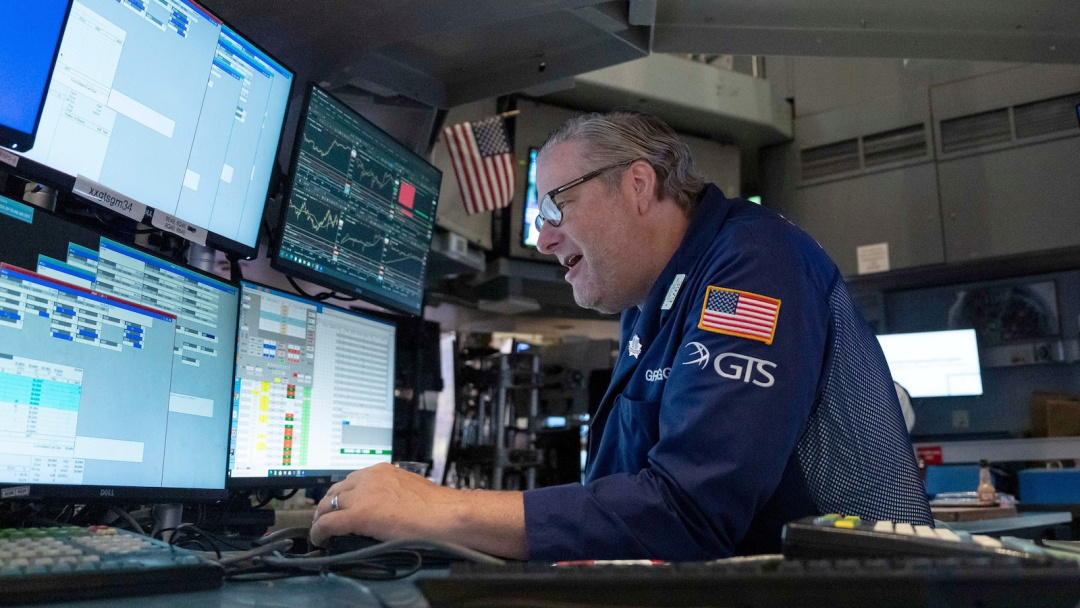
Long-term government borrowing costs have climbed to their highest level since 2007, primarily due to high bond yields and ongoing inflation concerns exacerbated by the Iran war. The 30-year Treasury yield reached 5.32%, marking a significant increase that poses potential risks for mortgage and credit card rates, as these rates are influenced by long-term bond yields.
In response to the rising yields, major stock indexes experienced declines. The Dow Jones Industrial Average fell by 15 points, or 0.03%, while the S&P 500 dropped by 0.4%, and the Nasdaq saw a decline of 1%. Investors are increasingly concerned that inflation, which rose 3.4% in July compared to the previous year, could persist, leading to higher consumer prices that diminish the value of fixed bond payouts.
Market Reading & Resources
Sponsor funding complete. Trade on.
The surge in global oil prices, which have risen nearly 30% since the onset of the Iran war, has contributed to inflationary pressures. As of Tuesday, global oil prices exceeded $91 per barrel, with the average price of gasoline reaching $4.06 per gallon, significantly higher than the average of $2.98 prior to the conflict. The situation has been further complicated by Iran's near-closure of the Strait of Hormuz, a critical trade route for global oil supply, and a U.S. blockade of Iranian ships that has intensified the crude oil shortage.
Negotiations aimed at restoring tanker traffic in the strait have stalled, with oil data indicating a drastic reduction in the number of ships crossing daily. Last week, an average of 13 ships navigated the strait, a sharp decline from over 100 ships per day before the conflict began.
Despite the rising inflation, the Federal Reserve has refrained from implementing interest rate hikes in response to the oil-driven price increases. Fed Chair Kevin Warsh has emphasized the central bank's commitment to achieving price stability, although investors remain skeptical about the Fed's readiness to act decisively. Current market sentiment indicates a 34% probability of a quarter-point rate hike at the Fed's next meeting in September, according to the CME Group's FedWatch Tool.