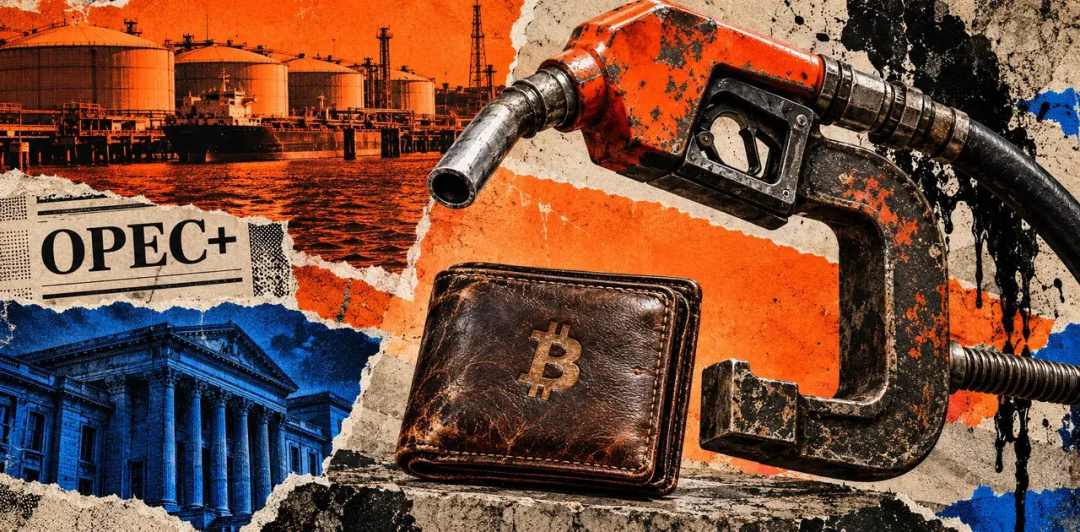
Iran Conflict Drives Significant Price Increases Affecting Global Households
The ongoing conflict involving Iran has resulted in substantial increases in food and energy prices, which are contributing to rising living costs for households across the globe. Recent reports indicate that U.S. inflation experienced a year-over-year increase of 3.4% in July 2026. This inflationary trend is largely driven by a 14.7% rise in energy prices, alongside a significant 24.6% surge in gasoline prices. These developments coincide with crude oil prices remaining elevated, with Brent crude priced around $89 per barrel and West Texas Intermediate (WTI) between $82 and $83 per barrel. The market's response to these dynamics suggests heightened geopolitical tensions, which may further influence oil price trajectories in the months ahead. Observers are closely monitoring geopolitical developments in the Middle East, particularly the actions of key players such as OPEC and the U.S. government. Any significant changes in production levels or diplomatic resolutions could have a direct impact on oil prices. As the year progresses towards December 31, pivotal developments are anticipated that could affect market expectations, as indicated by the current pricing reflecting a 13.5% chance of crude oil reaching a new peak by year-end. Additionally, ongoing tracking of U.S. Consumer Price Index changes and energy price movements will be crucial for understanding broader market reactions.
Market Reading & Resources
Sponsor funding complete. Trade on.