ECB Predicts Food Prices Will Drive Inflation in 2027
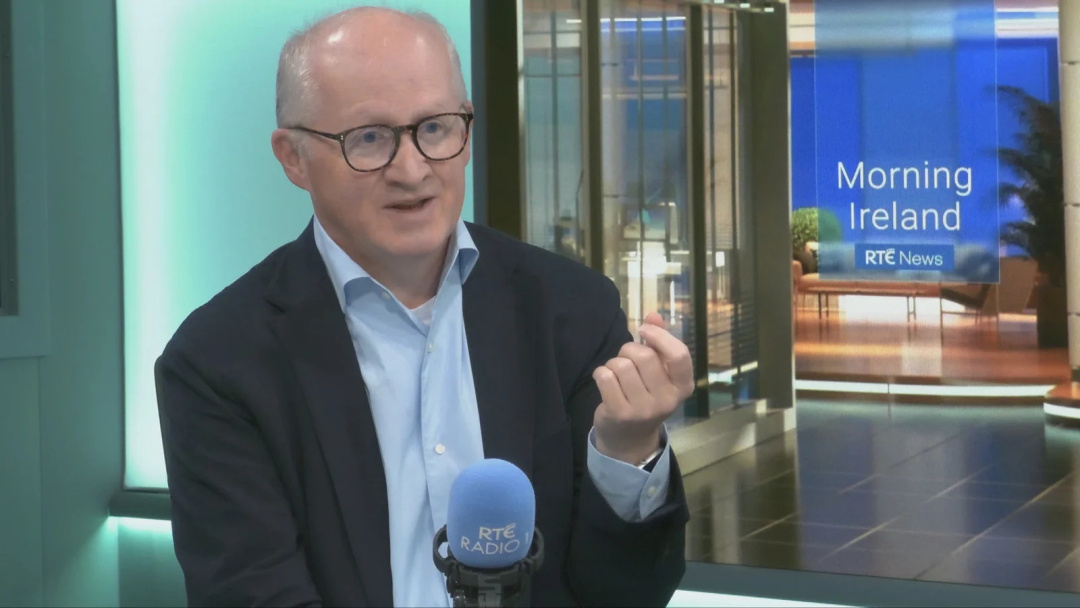
Philip Lane, the Chief Economist with the European Central Bank, has stated that food inflation is poised to be a major factor driving overall inflation into the next year. This forecast comes amid rising oil prices, which have surpassed $90 per barrel due to ongoing geopolitical tensions, particularly the unresolved conflict in the Middle East. Lane emphasized that the trajectory of inflation is closely tied to energy prices, including both oil and gas. He acknowledged the uncertainty surrounding these developments but projected that inflation would stabilize at approximately 3% for the remainder of the year. This figure, while lower than the 10% inflation rate experienced in 2022, still exceeds the ECB's target of 2%. Currently, food inflation across Europe is relatively low, but Lane pointed out that significant price increases have occurred over the past several years. He warned that climatic events, such as El Niño, are likely to exacerbate inflationary pressures, particularly noticeable by the summer of 2027. Lane also discussed how businesses are evaluating whether to pass on rising costs to consumers or absorb them, which could affect their profitability and operational levels. He noted that the European economy is currently experiencing modest growth, with recent data indicating an increase of 0.3% to 0.4%. However, he cautioned that prolonged conflict in the Middle East could alter this positive outlook. Regarding interest rates, Lane mentioned that future decisions will depend on the need to maintain inflation at the target level while considering economic growth rates. He highlighted the importance of addressing inflation, particularly its disproportionate impact on lower-income individuals. Lane criticized the notion of avoiding interest rate hikes solely to mitigate mortgage costs, arguing that this could lead to persistently high inflation. He also raised concerns about the implications of Artificial Intelligence on the economy and stressed the need for targeted financial support for vulnerable populations, cautioning against overly broad subsidy schemes. As the October budget approaches, Lane underscored the necessity of maintaining fiscal discipline in light of various pressures on public spending across Europe.
Market Reading & Resources
Sponsor funding complete. Trade on.