Japan's Long-Term Interest Rate Reaches 2.945%, Highest in Nearly 30 Years
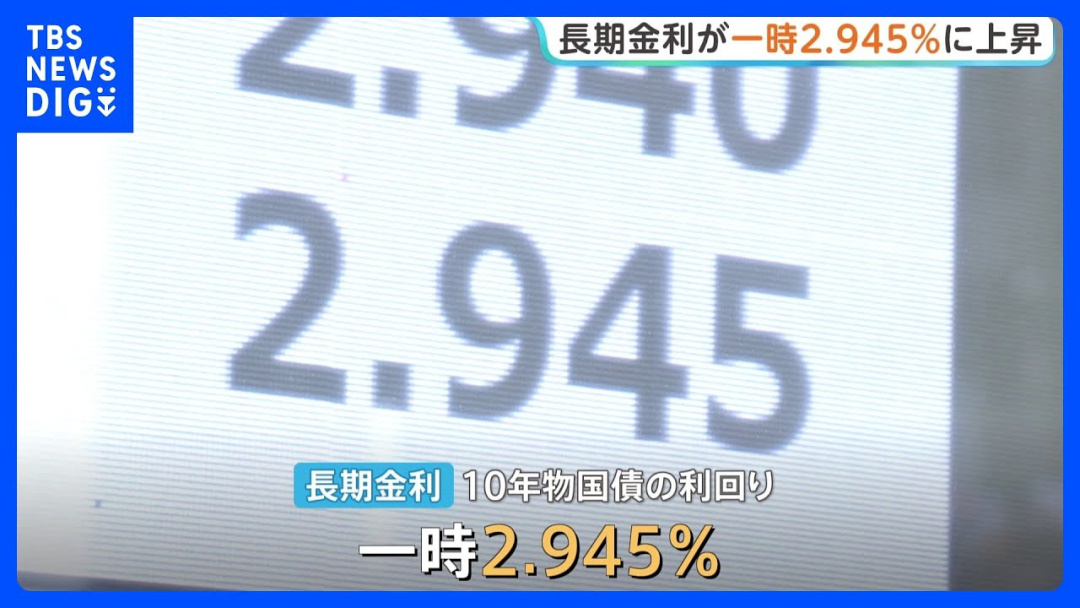
On August 18, Japan's benchmark long-term interest rate briefly climbed to 2.945%, a level not seen in nearly 30 years. This surge was attributed to a wave of government bond sales, which were influenced by rising crude oil prices and growing expectations of inflation. The yield on Japan's 10-year government bond, a key indicator of long-term interest rates, reached this peak as investors reacted to the uncertainty in the Middle East, which has been pushing crude oil futures higher.
The selling pressure in the bond market was exacerbated by concerns regarding Japan's fiscal health. As government ministries prepare their budget requests for the upcoming fiscal year, there are fears that the overall size of these requests could increase, further straining the country's fiscal position. This anticipation has led to additional selling of government bonds, contributing to the rise in yields.
Market Reading & Resources
Sponsor funding complete. Trade on.
In related news, a fire at Sairinji temple in Saga city on the same day prompted a significant emergency response, although no injuries were reported. Additionally, Chiba Prefecture faced severe disruptions due to flooding caused by recent torrential rains, affecting thousands of commuters.
Despite these challenges, Tokyo's stock market showed resilience, with the Nikkei 225 index closing up on August 17, driven by investments in technology sectors such as artificial intelligence and semiconductors. Japan's economy has shown signs of growth, expanding for the third consecutive quarter with a reported 0.3% increase in real GDP for the April-June period, equivalent to an annualized growth rate of 1.1%.
Overall, the rise in Japan's long-term interest rate reflects a complex interplay of domestic fiscal concerns and external economic pressures, particularly in the energy sector.