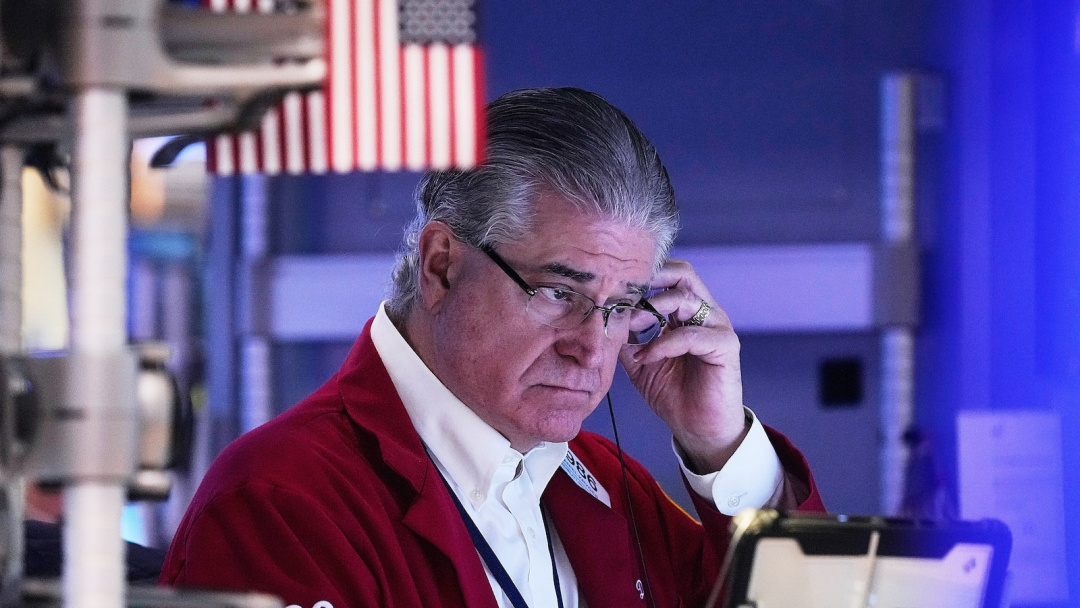
Global Stocks Decline Amid Hormuz Tensions and Rising Oil Prices

Global stocks mostly slipped on Monday as concerns over the ongoing situation in the Straits of Hormuz outweighed expectations that the Federal Reserve would not raise US interest rates in the near future. Oil prices edged higher as the United States and Iran showed no signs of reaching an agreement to reopen the Strait of Hormuz to shipping traffic, which has been affected by nearly six months of conflict. Analysts noted that Monday was theoretically the day a US-Iran ceasefire was set to expire.
Traders are closely monitoring the US-Iran standoff, as the diplomatic deadlock between Washington and Tehran has kept crude prices elevated. David Morrison, an analyst at Trade Nation, commented on the situation, emphasizing the impact of the ongoing tensions on market sentiment.
Market Reading & Resources
Sponsor funding complete. Trade on.
In early trading in New York, the Dow Jones Industrial Average and the broader S&P 500, which had reached an all-time high the previous Thursday, were both slightly lower, while the tech-heavy Nasdaq showed a modest increase. In midafternoon trading in Europe, major indices in London, Paris, and Frankfurt were all down.
Despite the declines, there remains some optimism in the market due to fading expectations of a Federal Reserve rate hike and a belief that the US and Iran may step back from escalating tensions. Patrick J. O’Hare, an analyst at Briefing.com, noted that the market has retained hope that diplomatic efforts will prevail and that rising oil prices will not trigger a global recession.
Tensions escalated over the weekend when Iranian officials responded to US President Donald Trump's assertion that he would soon declare the Hormuz Strait part of US territory, insisting that the crucial energy waterway would remain under Iranian control. Trump also issued threats against Oman if it interfered with a potential US-Iran deal.
On the corporate front, investors are now looking ahead to earnings reports from major retailers such as Walmart, Home Depot, and Target, which could provide insights into consumer sentiment. Recent data has indicated a weakening labor market and slower consumer spending in the US. However, analysts like Ipek Ozkardeskaya from Swissquote suggest that even disappointing results from these retailers could benefit the stock market by alleviating inflation concerns and reducing the likelihood of a Federal Reserve rate hike.
In Asia, markets showed mixed results, with Hong Kong benefiting from gains in tech giants like Alibaba and Tencent, while Shanghai and Taipei also saw increases. Tokyo's market advanced, driven by a significant rise in chipmaker Kioxia's stock, while other tech firms also posted gains.
The dollar continued to weaken against major currencies following a drop on Friday in response to recent economic data. Key figures around 1340 GMT indicated a slight decline in major US indices, while oil prices remained elevated, reflecting ongoing geopolitical tensions and market dynamics.