Federal Reserve's Cautious Approach Contributes to High Long-Term Bond Yields
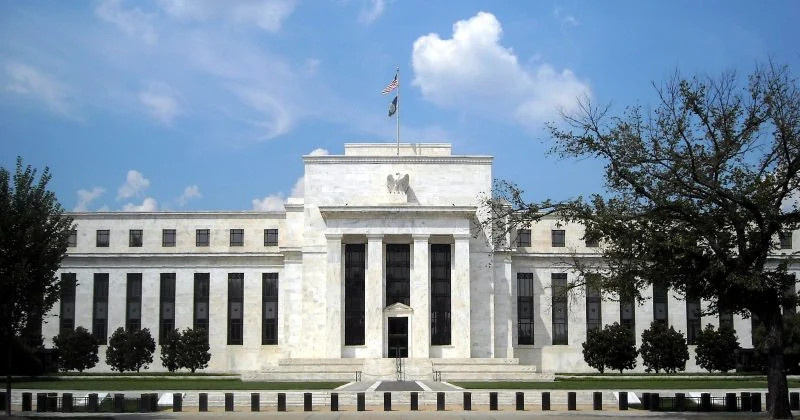
Citadel Securities has raised concerns regarding the Federal Reserve's cautious approach to tightening monetary policy, which is contributing to persistently high long-term Treasury yields. Currently, 10-year Treasury yields are hovering around 4.61%, reflecting a growing disconnect between the hawkish statements from Fed Chair Kevin Warsh and the actual policy measures being implemented. This situation is causing the $31 trillion Treasury market to adjust to the prevailing uncertainty.
Frank Flight, a macro strategist at Citadel Securities, has pointed out that there is a significant mismatch between the Fed's verbal commitments to price stability and the market's expectations of imminent rate hikes. Despite Warsh's emphasis on the need for price stability during the recent FOMC meetings, the market has largely dismissed the likelihood of immediate rate increases.
Market Reading & Resources
Sponsor funding complete. Trade on.
Flight argues that the markets have not fully appreciated the Fed's hawkish stance. He suggests that a surprise 25-basis-point rate hike at the upcoming FOMC meeting could restore Warsh's credibility and mark a shift away from the forward guidance that has characterized Fed communication for over a decade.
The ongoing high yields are not occurring in isolation. Rising energy prices, driven by geopolitical tensions in the Middle East, have kept inflationary pressures alive, complicating the Fed's decision-making process. Additionally, recent softer inflation data has further clouded the outlook, with the probability of a rate hike in September dropping to approximately 35%. This indicates that the market perceives the Fed as less likely to act on its hawkish rhetoric in the near future.
The implications of 10-year yields remaining elevated extend beyond the bond market. Mortgage rates, which closely follow long-term Treasury yields, are also high, making borrowing more expensive for consumers. Corporate borrowers face similar challenges, as higher yields lead to increased costs for debt issuance.
For risk assets, the attractiveness of equities diminishes when government bonds yield over 4.5%, creating a headwind for equity valuations, particularly in growth sectors sensitive to discount rate changes. Citadel's analysis suggests that if the Fed can effectively lower term premia, the additional yield investors demand for holding longer-duration bonds, it could stabilize long-dated yields across the Treasury market. However, this stabilization hinges on the Fed taking decisive action rather than merely signaling intentions.
A significant concern raised by Citadel is the potential for volatility to spread from the bond market to other asset classes. Treasuries serve as a benchmark for pricing a wide range of financial assets globally. When Treasury yields are volatile or exceed expectations, it necessitates a repricing across credit markets, equities, and currency markets.
The gap between the Fed's statements and market expectations creates an environment ripe for sharp market movements. If Warsh were to implement a surprise rate hike, as Flight has suggested, it could lead to substantial repricing across interest rate derivatives and fixed income portfolios. Conversely, if the Fed maintains a hawkish tone without taking action, the erosion of credibility could push term premia even higher.
Institutional investors are already adapting to this landscape. Many portfolio managers are actively managing duration by shortening their bond holdings to mitigate exposure to potential yield spikes. While credit spreads are not yet at stress levels, they warrant close monitoring as rising base rates compress the safety margins for lower-quality borrowers.