AI Debt Sales Push US Treasury Yields Higher, Affecting Gold Market
US Treasury yields have surged due to nearly $1.5 trillion in AI-related debt sales this year, primarily from major tech companies. This increase in yields, with 10-year notes around 4.68% and 30-year yields near 5.19%, is influencing gold prices negatively, as high yields typically strengthen the US dollar. Market predictions indicate a potential decline in gold prices, traditionally viewed as a hedge against inflation. Observers are closely watching Federal Reserve announcements and economic data releases that could further impact these markets.

US Treasury yields have remained elevated as AI-related debt sales have reached nearly $1.5 trillion this year, according to a report from Bloomberg Markets. This surge in debt issuance, primarily driven by major technology companies and hyperscalers, has contributed to the sustained high levels of Treasury yields. As of mid-August 2026, yields on 10-year notes are hovering around 4.68% to 4.70%, while 30-year yields are near 5.19%. Higher yields generally strengthen the US dollar, which in turn affects the attractiveness of alternative investments like gold.
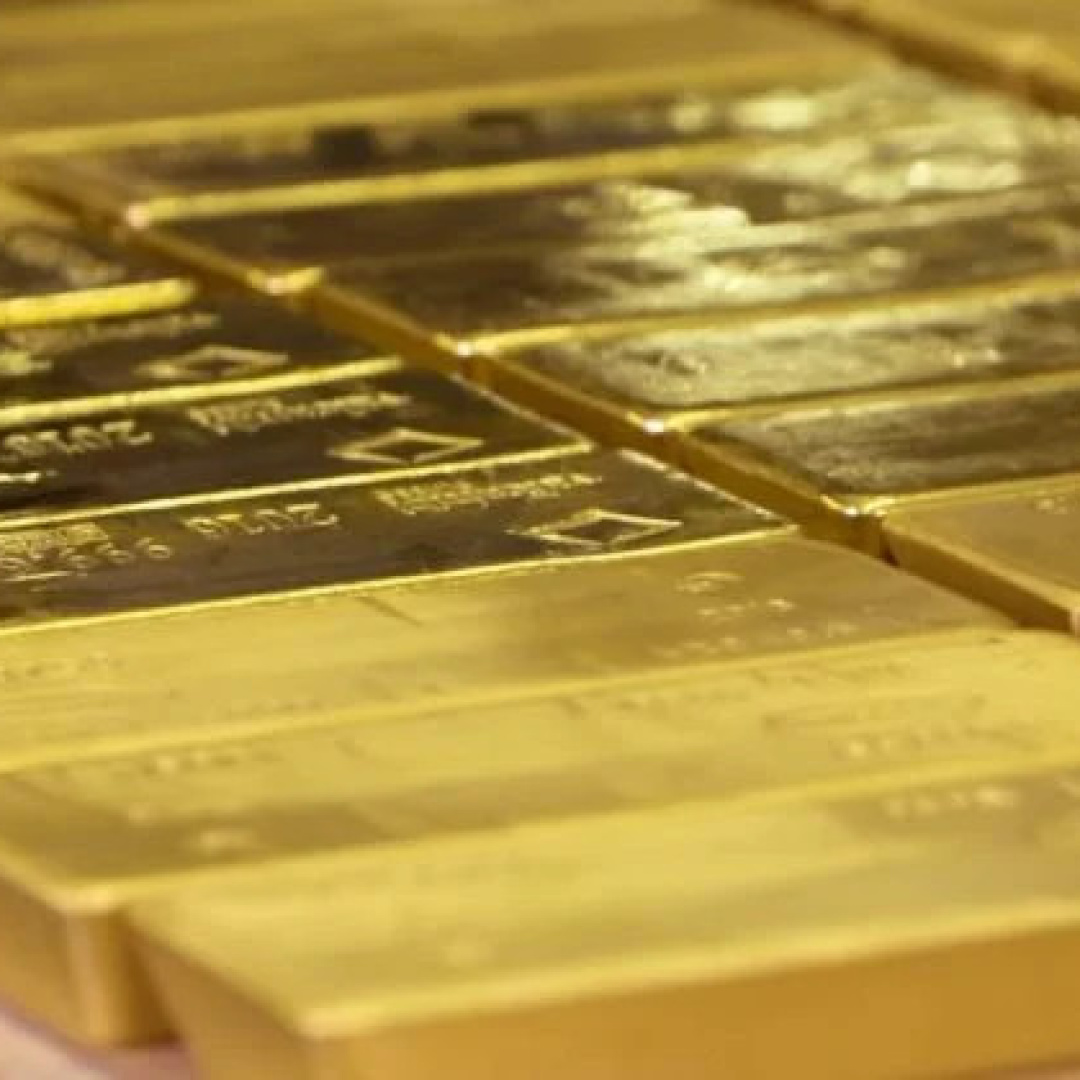
The gold market is responding to these developments, with prices reflecting the influence of rising Treasury yields. Current market predictions suggest that gold may face downward pressure, as the likelihood of it reaching higher price targets in August diminishes. Investors seem to interpret the high Treasury yields as a less favorable environment for gold, which is typically seen as a hedge against inflation and currency depreciation.
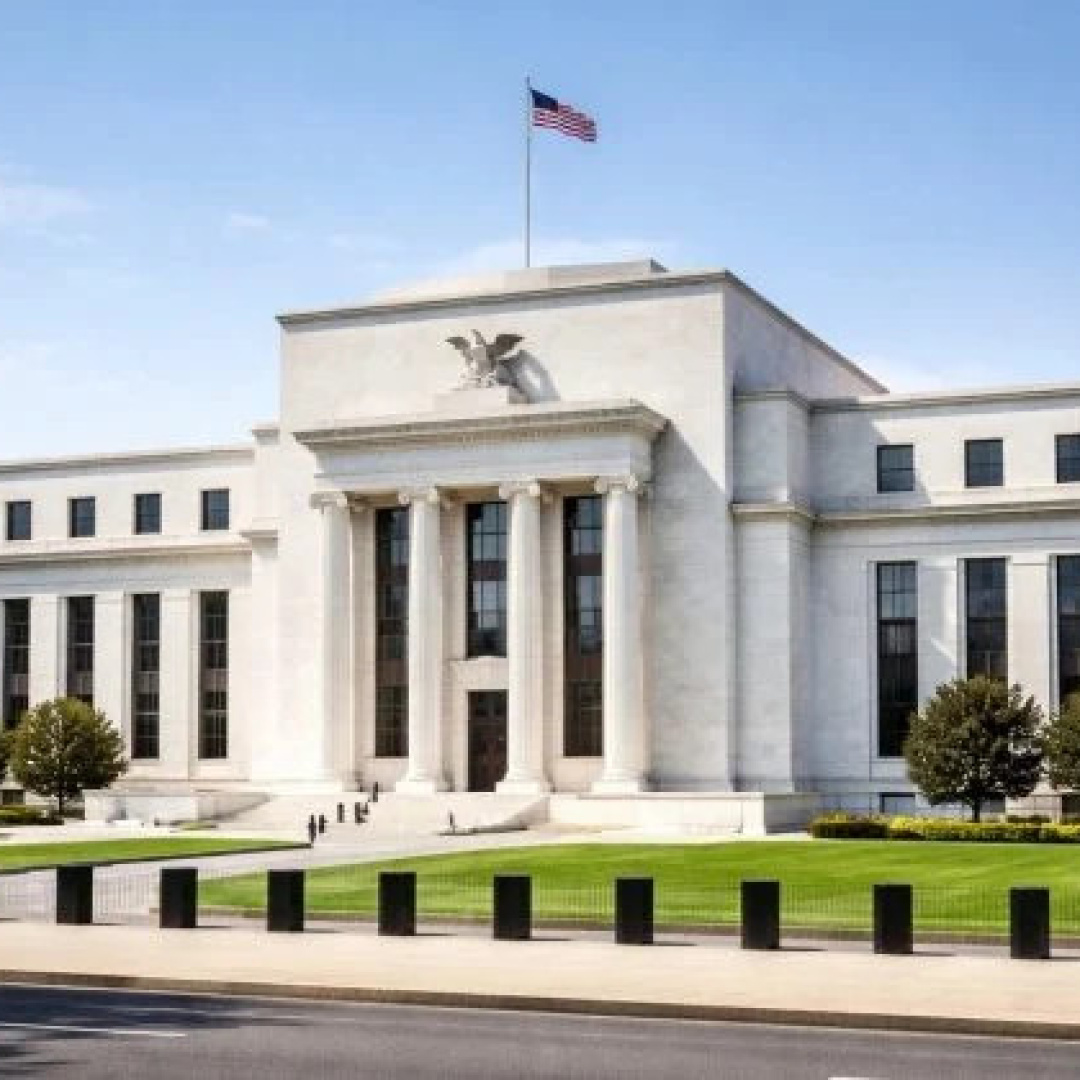
Market observers are closely monitoring announcements from the Federal Reserve, as any changes in monetary policy could significantly influence Treasury yields and, consequently, gold prices. Additionally, projections from financial institutions like Goldman Sachs and Morgan Stanley regarding AI debt issuance may offer further insights into market dynamics. Economic data releases from the U.S. Bureau of Labor Statistics and the Department of Commerce are also anticipated, as these could impact inflation expectations and influence both bond and gold markets.