European Defense Spending Raises Inflation Concerns, Says ECB Economist
European defense spending is projected to reach €418 billion by 2025, prompting concerns from ECB Chief Economist Philip R. Lane about its impact on inflation and fiscal stability. At a recent panel, Lane discussed the macroeconomic challenges posed by this significant increase in military expenditure, highlighting potential strains on the economy and the complexities of financing such spending.

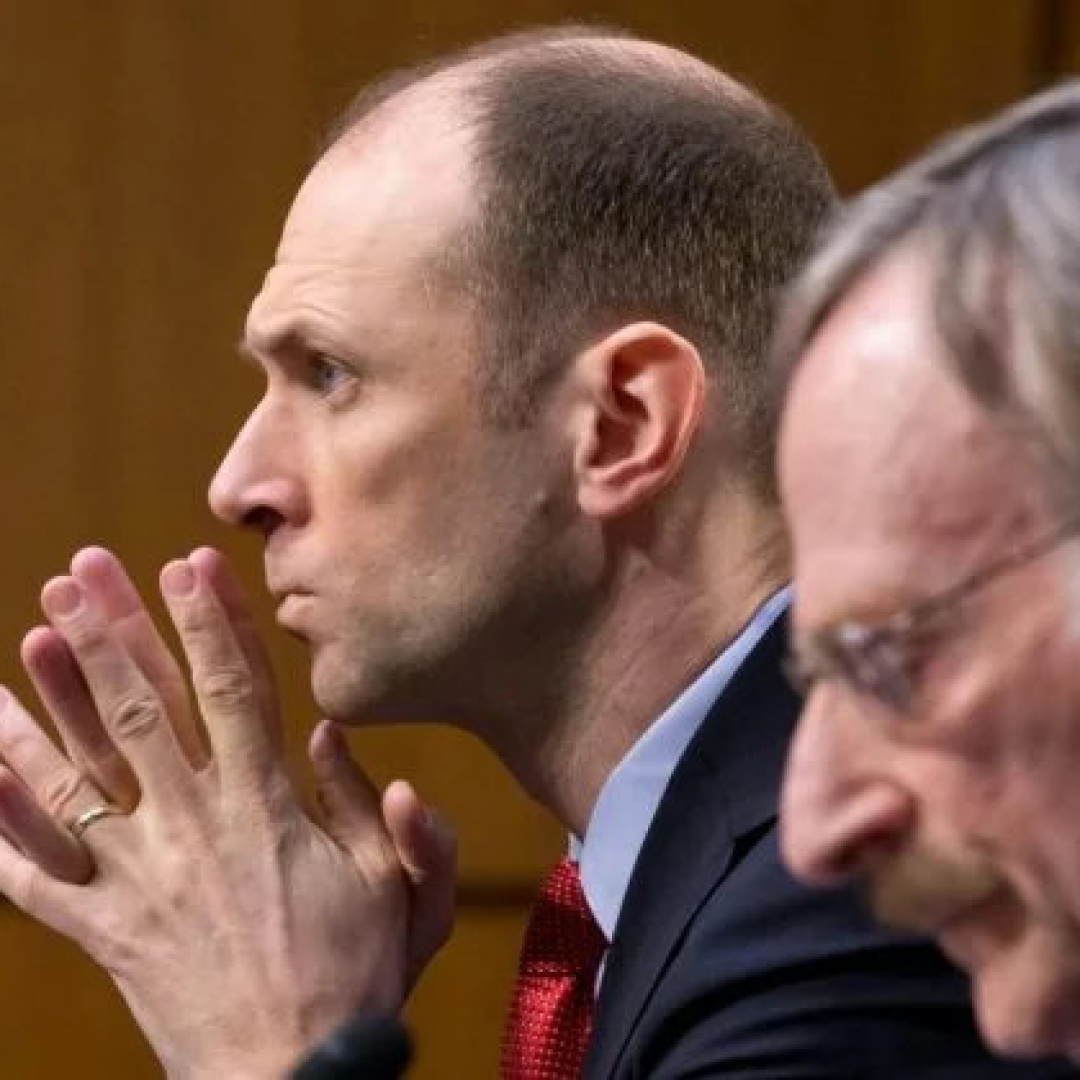
European defense spending is experiencing unprecedented growth, with projections indicating an increase to €418 billion by 2025. This represents a 20% rise from 2024 and nearly doubles the €218 billion spent in 2021. The European Central Bank (ECB) is beginning to address the implications of this surge for inflation, debt, and monetary policy. ECB Chief Economist Philip R. Lane spoke at the European Economic Association’s annual congress in Dublin on August 17, where he outlined the macroeconomic consequences of this rapid rearmament across the continent.
The panel, organized by the European Stability Mechanism, focused on the delicate balance between increased military spending and fiscal stability. Economists often note that while government spending can stimulate economic output in the short term, the long-term effects can be concerning. Historical data suggests that episodes of defense spending increases typically widen fiscal deficits by an average of 2.6 percentage points of GDP, with debt-to-GDP ratios rising by approximately 7 percentage points within three years of sustained military expenditure increases.
For a region where GDP growth is projected at a modest 0.8%, such fiscal deterioration poses significant challenges. The composition of defense spending is crucial; investments in research and development may yield different productivity outcomes compared to expenditures on personnel and operations. Lane and his colleagues also examined the inflationary pressures stemming from this spending. The influx of government funds into the economy through defense procurement competes for resources with the private sector, potentially driving up prices.
The method of financing this defense spending is a critical factor. Deficit-financed spending creates distinct macroeconomic dynamics compared to tax-financed initiatives. Proposals for joint European borrowing introduce additional complexities, particularly regarding bond markets and sovereign spreads. If a considerable portion of defense procurement is directed toward non-European suppliers, the anticipated boost to domestic GDP may be diluted, while the fiscal burden remains unchanged.
The ECB's responsibility for monetary policy spans 20 countries, each with varying fiscal capacities and defense priorities. For instance, Germany's ability to expand its defense budget differs markedly from that of Italy or Greece. The rapid pace of spending growth—from €218 billion in 2021 to €418 billion in 2025—exacerbates the challenges, as supply chains, labor markets, and government budgeting processes must adapt simultaneously to this shock.