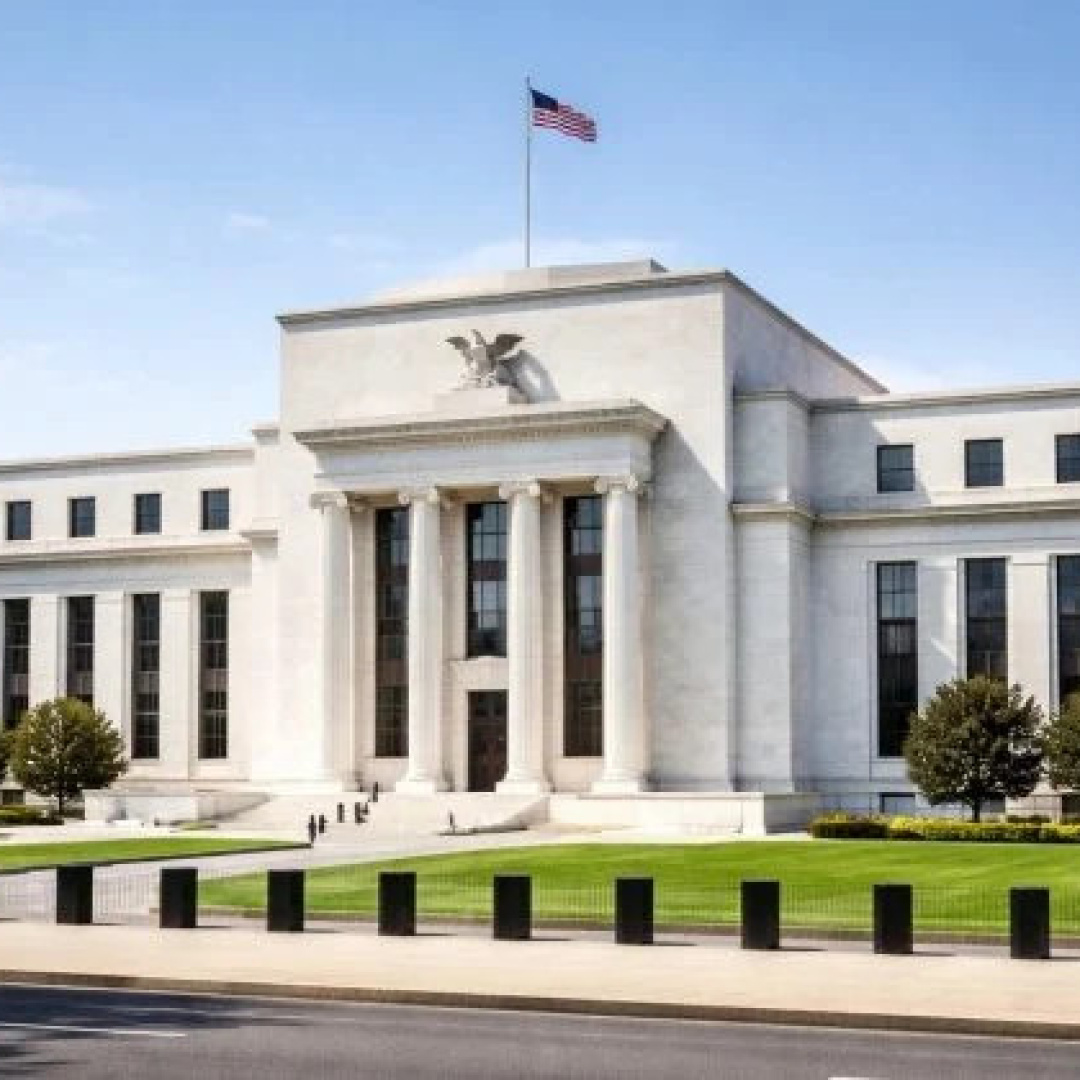
BMO Economist Predicts Federal Reserve Will Maintain Steady Rates Through 2026
Jennifer Lee, Senior Economist at BMO Capital Markets, forecasts that the Federal Reserve will keep interest rates unchanged for the remainder of 2026, with potential cuts not expected until late 2027. This outlook reflects the Fed's cautious approach under new Chair Kevin Warsh, influenced by global geopolitical factors.

BMO Capital Markets' Senior Economist Jennifer Lee has projected that the Federal Reserve will maintain its current interest rates throughout 2026, with the first rate cuts anticipated in late 2027. This forecast indicates a prolonged period of monetary policy stability, suggesting that those hoping for lower borrowing costs in the near future may be disappointed. Lee's extensive experience at BMO lends credibility to her insights regarding the Fed's decisions.
The timing of this projection is significant, as it coincides with the recent confirmation of Kevin Warsh as the new Fed Chair, a position he assumed on May 22, 2026. New leadership often raises questions about potential shifts in monetary policy direction, but Lee's analysis suggests continuity in the Fed's approach.
According to BMO's outlook, once rate cuts do occur, yields are expected to average around 4.25%. This indicates a gradual easing process rather than a sudden drop in rates. Lee also highlighted that global developments, particularly the ongoing conflict in Iran, could complicate the Fed's decision-making process. Geopolitical instability often leads to unpredictable supply-side shocks, especially in energy markets, which can directly impact inflation.
BMO's models for mid-2026 incorporate this uncertainty, emphasizing that any future rate adjustments will depend on economic indicators rather than a fixed schedule. The decision to hold rates steady has significant implications for various asset classes. For fixed-income investors, it creates a more predictable environment, as bond yields remain relatively high compared to historical standards, making traditional debt instruments more appealing.
With interest rates expected to remain unchanged through 2026, the competitive landscape for capital shifts away from speculative assets. A yield of over 4% on government bonds presents a compelling alternative to investments in cryptocurrencies. As a result, substantial inflows into speculative markets may be delayed until the Fed signals a clear intention to ease rates, which Lee suggests could be well into the second half of 2027.
Market participants should closely monitor the Fed's meeting schedules through early 2027, as this period may provide the necessary economic data to justify the first rate cut.