Consumer Outrage Over Halloween Candy Prices Amid Inflation Concerns
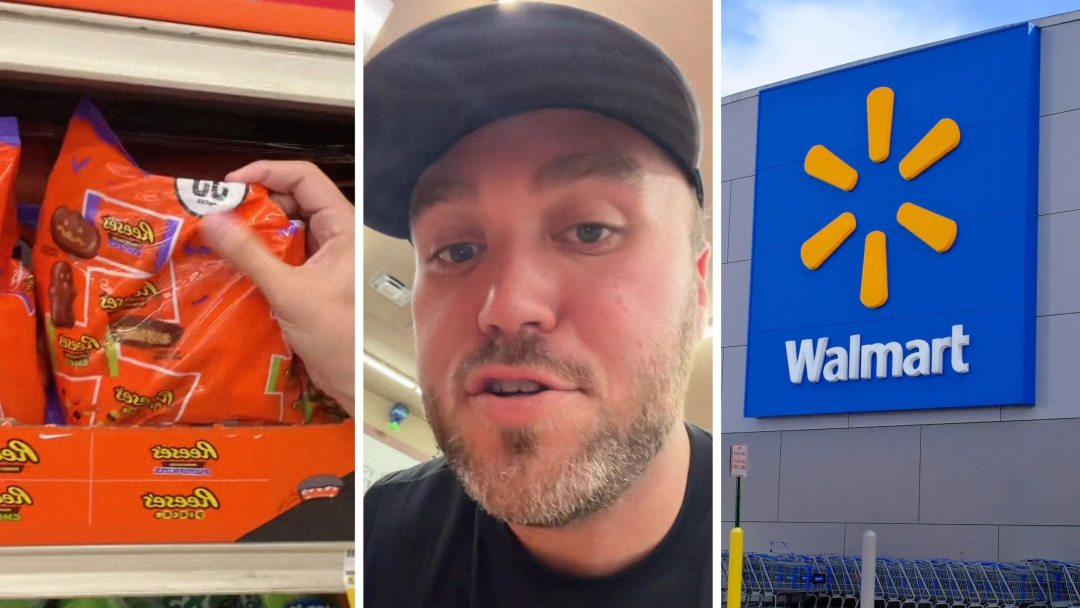
Trey Stewart, a TikTok user, has decided to boycott Halloween candy this year after discovering the price of a 55-piece bag of Reese's at Walmart, which he found to be $29. His reaction, shared on August 11, has resonated with many viewers who expressed similar outrage over the rising costs of candy. Stewart's video, which has garnered over 2.1 million views, features him questioning the price and the early availability of Halloween merchandise, asking, "What do you mean? $29 for a bag of Reese’s?" and noting the absurdity of seeing Halloween items in August.
The broader context of Stewart's reaction reflects a growing frustration among consumers regarding elevated food prices. Although recent federal data indicates that inflation has cooled from its peak, prices for many goods, including food, continue to rise. The Consumer Price Index reported a 3.4% increase over the year ending in July, with food prices specifically rising by 3%.
Market Reading & Resources
Sponsor funding complete. Trade on.
Candy prices are particularly sensitive to market fluctuations, especially due to recent surges in cocoa prices following poor harvests in West Africa. Major manufacturers, including Hershey, which produces Reese's, have raised prices to offset these increased costs, reporting a 12% price hike in their latest quarter. Retailers also have the discretion to set prices based on various factors, including package size and local market conditions.
The timing of Halloween merchandise appearing in stores as early as August has drawn criticism, as retailers aim to maximize sales opportunities. The National Retail Federation has noted that nearly half of Halloween shoppers begin their purchases in September or earlier, prompting stores to stock seasonal items well in advance. This strategy allows retailers to cater to early shoppers and ensures that products are available in time for the holiday.
Stewart's video and the reactions it has sparked underscore a significant consumer sentiment regarding inflation and the rising costs of everyday items, particularly during seasonal events like Halloween.