Kevin Warsh's Inflation Stance Signals Shift in Federal Reserve Policy
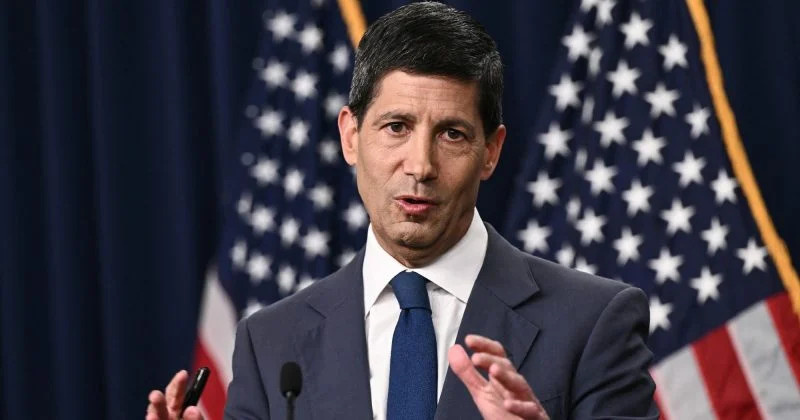
Federal Reserve Chairman Kevin Warsh's recent testimony before the House Financial Services Committee has drawn significant attention from Wall Street, particularly due to his firm stance on the 2% inflation target. During his appearance on July 14, Warsh emphasized that there would be "no tolerance for persistently elevated inflation," a statement that traders interpreted as a clear signal of a stricter monetary policy than previously anticipated.
With inflation having exceeded the Fed's 2% target for five consecutive years, Warsh's declaration marks a decisive policy shift. He clarified that the Federal Open Market Committee (FOMC) would regard the 2% target as a hard goal rather than a mere aspiration, stating there is "no soft implicit target" for inflation. This language aims to eliminate any ambiguity regarding the Fed's commitment to controlling inflation.
Market Reading & Resources
Sponsor funding complete. Trade on.
The FOMC's recent meeting in late July reinforced this message, as the committee opted to maintain the federal funds rate at approximately 3.6%. However, the accompanying hawkish rhetoric indicated a clear direction towards tightening monetary policy. As a result, markets began to price in the likelihood of rate hikes as early as September 2026, a notable shift from the earlier accommodative sentiment that had prevailed.
Warsh's approach extends beyond interest rate adjustments. He has announced plans to form task forces comprising outside experts to review the Fed's economic assessments and communication strategies. Additionally, he has stressed the importance of the Fed's independence from political influences in shaping rate policy.
The immediate consequence of Warsh's positioning has been a reevaluation of interest rate expectations across the yield curve. Fixed-income investors are adjusting their portfolios in anticipation of rising borrowing costs in the latter half of 2026. This shift poses potential challenges for bond prices, which typically move inversely to yields.
Equity markets are also facing hurdles, as higher interest rates increase the discount rate applied to future earnings, disproportionately affecting growth stocks and long-duration assets. The current economic climate is particularly precarious, given the prolonged period of inflation above the target and the historical difficulties associated with reducing inflation to the desired level.
In summary, Warsh's recent remarks signal a significant shift in the Federal Reserve's approach to inflation, prompting market participants to reassess their strategies in light of potential changes in monetary policy.