US Consumer Sentiment Falls to 51.0 Amid Rising Inflation Expectations
American consumers are expressing increasing concern about their financial outlook, as evidenced by the University of Michigan’s preliminary Index of Consumer Sentiment, which fell to 51.0 in August 2026 from 55.2 in July. This 7.6% decline marks the first decrease in three months, breaking a trend of improvement. The decline is widespread, impacting both current economic conditions and future expectations. The Index of Consumer Expectations, which gauges future sentiment, dropped by 8.7% to 50.6, while the Current Economic Conditions index decreased by 5.5% to 51.8.
The survey highlights a notable drop in expectations regarding business conditions, with short-term expectations falling by 11% and long-term expectations declining by 17%. Joanne Hsu, the Surveys Director, noted a significant deterioration in consumer perceptions of the economy's trajectory, particularly concerning business conditions.
Market Reading & Resources
Sponsor funding complete. Trade on.
Inflation is identified as the primary factor behind this sentiment shift. Year-ahead inflation expectations have risen to 4.3%, up from 4.2% in July, and significantly higher than the 3.4% recorded before the escalation of the Iran conflict in February. Long-term inflation expectations remain stable at 3.3%.
A particularly alarming statistic from the survey reveals that only 8% of respondents believe their income will keep pace with inflation over the next year, a stark decline from 18% in December 2024. This pessimism is not uniformly distributed; older Americans, lower-income households, and less-educated consumers reported the steepest declines in sentiment, as these groups typically allocate a larger portion of their income to essentials like food, energy, and housing, which are most affected by inflation.
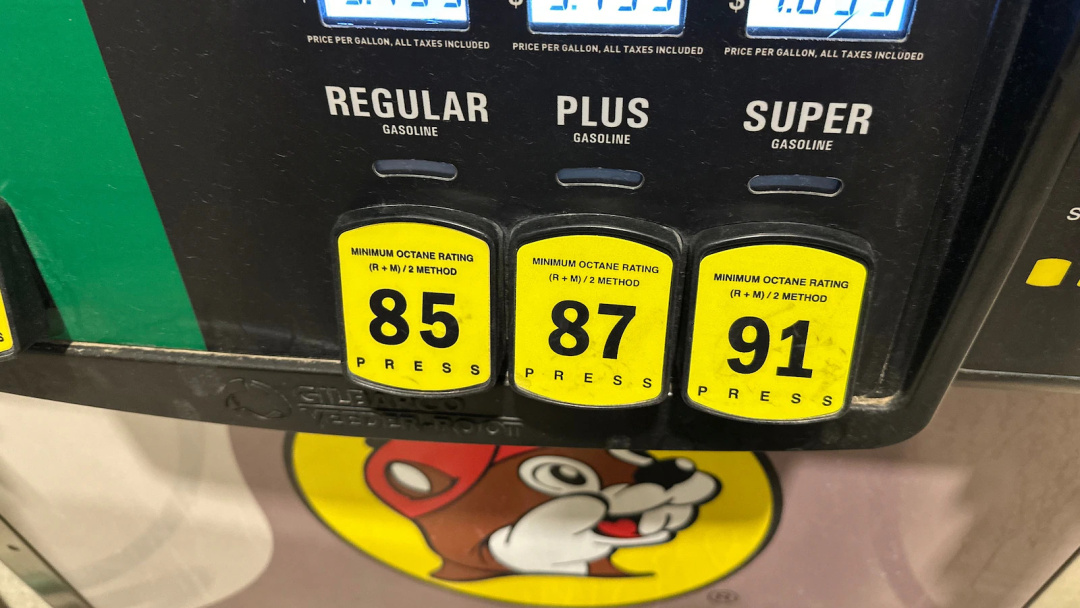
The ongoing tensions in the Middle East have contributed to rising energy prices, further exacerbating inflationary pressures on transportation and goods. For equity markets, the implications are immediate, particularly for retail and consumer discretionary stocks, as consumers tend to reduce non-essential spending when they feel financially strained.
The data on inflation expectations complicates the Federal Reserve's decision-making process. With one-year inflation expectations at 4.3%, significantly above the Fed's target of 2%, there is pressure on policymakers to maintain a hawkish stance, even as other economic indicators suggest a potential slowdown. Investors are advised to closely monitor the final reading for September and the widening gap between income growth and inflation, as the current sentiment reflects a historically unusual situation where only 8% of consumers feel their wages are keeping up with rising prices.