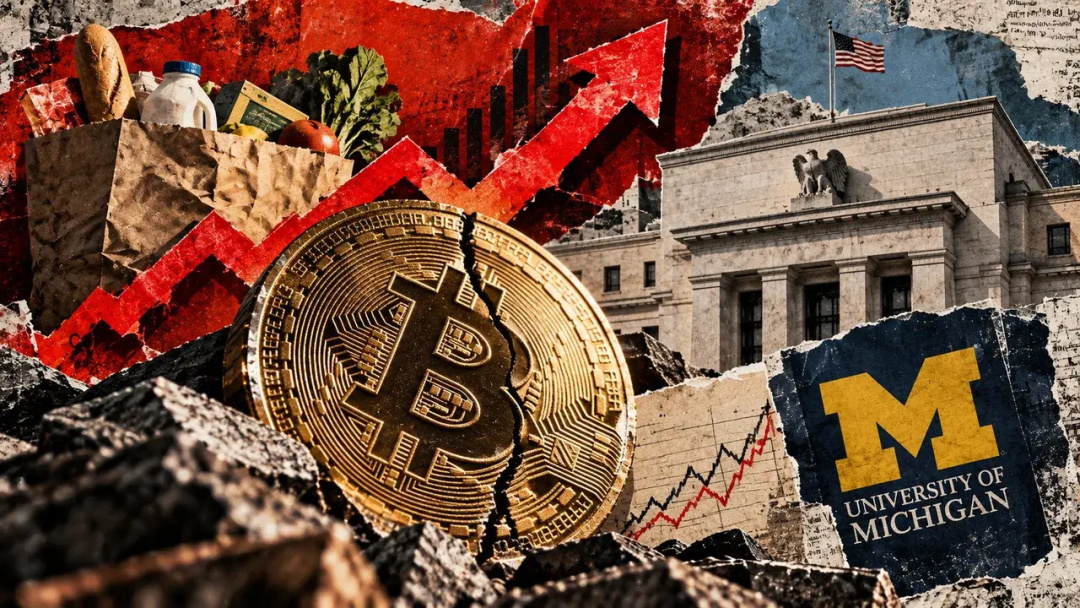
Michigan Consumer Sentiment Index Drops to 51 in August, Below Expectations
The University of Michigan's preliminary Consumer Sentiment Index for August 2026 has recorded a significant decline, falling to 51.0. This figure is notably below the consensus estimate of 54.5 and represents a decrease from July's final reading of 55.2. The latest data indicates that the brief recovery in consumer confidence observed over the past two months has come to an abrupt halt, as inflation expectations have begun to rise again.
The current reading is also considerably lower than the August 2025 level of 58.2, suggesting that the negative sentiment among consumers is not merely a seasonal fluctuation. The Index of Consumer Expectations, which gauges future outlooks, has experienced a sharper decline than the Index of Current Conditions.
Market Reading & Resources
Sponsor funding complete. Trade on.
Joanne Hsu, the survey director, highlighted a notable deterioration in anticipated business conditions, with short-term expectations dropping by 11% and long-term projections decreasing by 17%. Alarmingly, only 8% of consumers believe their income will grow faster than inflation in the coming year.
Inflation expectations for the next year have increased slightly to 4.3%, up from 4.2% in July, compared to 3.4% in February 2026. Long-term inflation expectations, which cover a five-to-ten year period, have remained stable at 3.3%.
This year has seen considerable volatility in consumer sentiment. The index reached a record low of 44.8 in May 2026, followed by a modest increase to 49.5 in June, and a rise to 55.2 in July, which had led some analysts to hope that the worst was over.
The decline in sentiment has not been limited to any specific demographic group. Hsu noted that the drop was widespread, affecting Republicans, older consumers, lower-income households, and individuals without college degrees. Given that consumer spending constitutes approximately two-thirds of U.S. economic output, this decline could have significant implications for economic recovery efforts.
For the Federal Reserve, this report adds another layer of complexity to an already challenging economic landscape. The Fed closely monitors long-term inflation expectations, and while the five-to-ten year outlook remains unchanged at 3.3%, it is still above the target level of 2%, indicating that inflation expectations are not yet fully anchored.
The final reading for August, which is set to be released on August 28, 2026, at 10 a.m. ET, will confirm whether this preliminary figure holds or undergoes revision.