Iran Faces Severe Economic Crisis Amid Ongoing Conflict
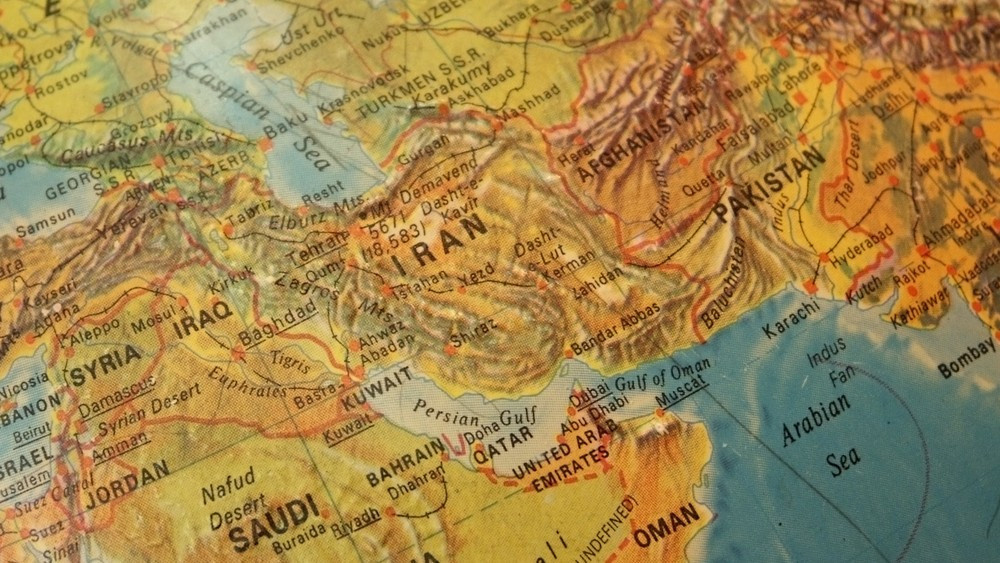
Iran is currently facing a significant economic crisis exacerbated by its ongoing conflict with the United States and Israel. The war has intensified existing issues, pushing inflation rates to alarming levels and drastically reducing the purchasing power of ordinary Iranians. Many families are now forced to prioritize essential items, as non-essential goods have become increasingly scarce and unaffordable. A resident of Tehran shared her experience, noting that staples like fruit and dairy have disappeared from her shopping list due to soaring prices.
The economic turmoil is not new; years of international sanctions and governmental mismanagement had already placed immense strain on Iran's economy. However, the recent conflict has brought the situation to a breaking point, with many citizens expressing their anger through protests. These demonstrations have been met with a harsh crackdown from security forces, resulting in thousands of deaths, according to human rights organizations.
Market Reading & Resources
Sponsor funding complete. Trade on.
The war has also severely damaged Iran's infrastructure, leading to further inflation and rising unemployment rates. Reports indicate that the prices of basic food items have skyrocketed, with some essentials seeing price increases almost daily. For instance, the cost of potatoes and eggs has surged dramatically in just a week, leaving many families struggling to make ends meet.
As the conflict continues, the Iranian government has imposed restrictions on fuel and electricity, further complicating the lives of its citizens. The minimum monthly salary in Iran is approximately $100, yet families are reportedly spending around 70 percent of their income on basic food items. This dire situation has led many to feel hopeless about their future, with some expressing concerns for their children's prospects.
In response to the crisis, the United States has intensified its economic pressure on Iran by targeting its oil exports, which are vital to the country's economy. The reimposition of sanctions and a naval blockade have compounded the challenges faced by the Iranian government, leading to predictions of severe stagflation and potential hyperinflation.
Experts warn that unless significant changes occur, Iran's economy could be on the brink of collapse within a year, with ordinary citizens bearing the brunt of the consequences. The ongoing conflict and economic sanctions have created an environment where planning for the future seems increasingly impossible, as families focus on surviving day by day amid rising costs and dwindling resources.