Australia Terminates Belt and Road Agreements with China
Australia has officially canceled two agreements signed by the state of Victoria with China concerning participation in the Belt and Road Initiative (BRI). This decision, announced by Foreign Minister Marise Payne, stems from concerns that these agreements do not align with Australia's foreign policy and could negatively impact international relations.
The BRI, introduced by China eight years ago, aims to enhance its economic and political influence through infrastructure investments across various countries. However, Australia joins a growing list of nations, including India and Malaysia, that have opted out of BRI projects due to fears of increased debt and security risks. Payne's remarks highlight a significant shift in Australia's approach to foreign investments and partnerships.
Market Reading & Resources
Sponsor funding complete. Trade on.
Experts have noted that BRI projects often come with hidden risks, particularly regarding national security. Michael Shoebridge from the Australian Strategic Policy Institute pointed out that public-private partnerships associated with BRI can lead to vulnerabilities. The Australian government has previously expressed concerns that BRI projects could deepen the country's economic reliance on China, prompting a reevaluation of existing agreements.
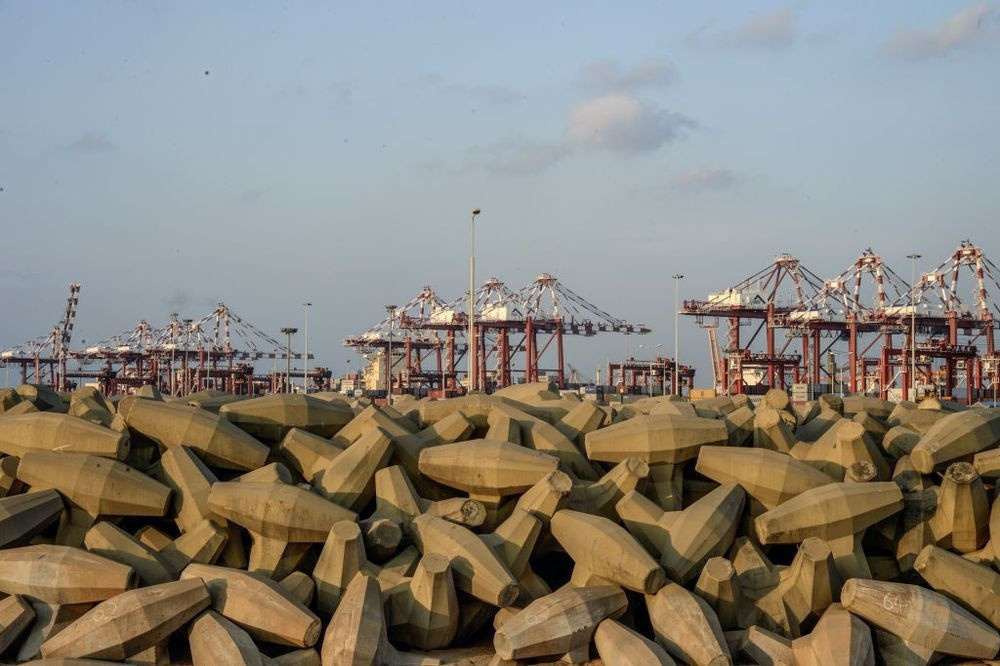
Critics of the BRI argue that it can entrap countries in unsustainable debt, with examples from Sri Lanka and Myanmar illustrating the potential pitfalls. In Sri Lanka, for instance, the government had to cede control of a strategic port to China after failing to repay loans. As countries become more aware of the implications of engaging with BRI, Australia's recent decision may encourage others to reconsider their participation in similar initiatives. This trend reflects a broader wariness of China's growing influence through its infrastructure projects, which are often perceived as tools for expanding its geopolitical reach.