Skill Mismatch Identified as Key Factor in Educated Unemployment in Indonesia
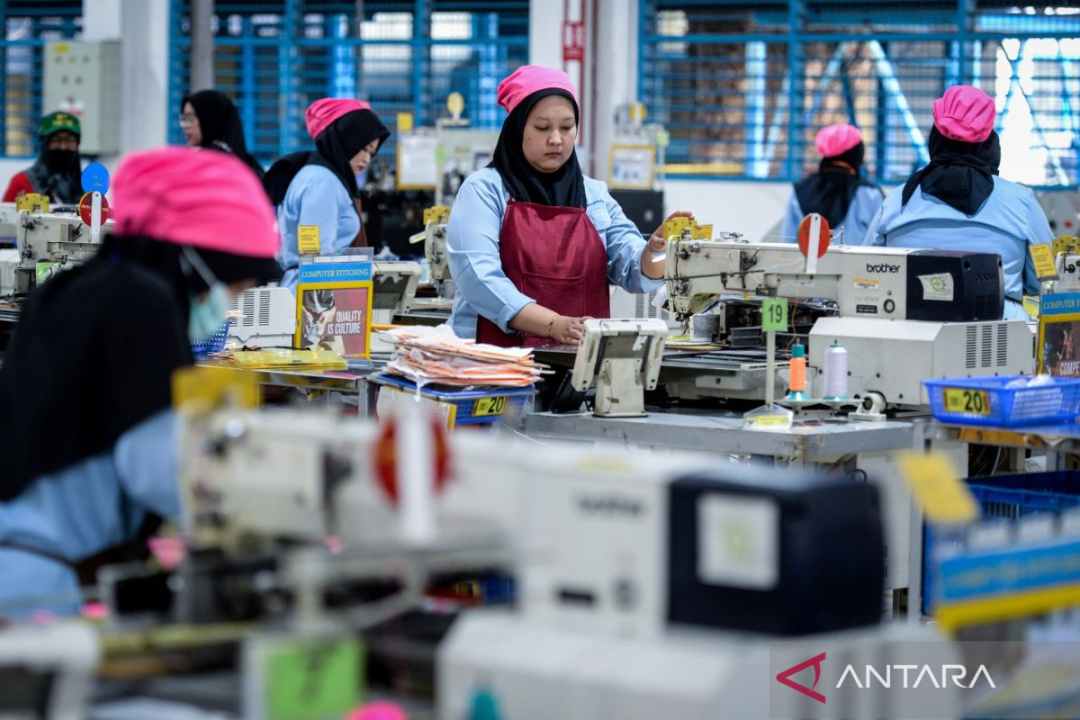
The Indonesian Manpower Ministry has reported that skill mismatch is the leading cause of the high rate of educated unemployment in the country. This mismatch refers to the lack of alignment between the skills possessed by graduates and the demands of businesses and industries. Anwar Sanusi, head of the ministry's Workforce Planning and Development Agency, noted that many university graduates are unable to meet job competency requirements, which is exacerbated by low levels of digital literacy and insufficient soft skills.
As of May 2023, Statistics Indonesia recorded over 1 million unemployed individuals with university degrees, representing approximately 14.31 percent of the total unemployment figure of 7.22 million. Sanusi pointed out that the slow growth of formal job opportunities has not kept pace with the increasing number of fresh graduates, many of whom are selective about the positions they pursue.
Market Reading & Resources
Sponsor funding complete. Trade on.
The rapid advancement of technology and industrial transformation has not been matched by the education and training systems, leaving many graduates without the necessary competencies for the job market. Faried Abdurrahman Nur Yuliono, head of the Manpower Ministry's Public Relations Bureau, added that limited work experience, weak soft skills, and a lack of skill certification further hinder workforce absorption, particularly in technology-intensive sectors.
To address these challenges, the ministry is taking steps to align educational curricula with industry needs, enhance industry involvement in the learning process, and improve the skills of educators. Additionally, they are expanding opportunities for students to gain practical work experience and regularly evaluating workforce needs to ensure that graduates are equipped with relevant skills for the job market.