JPMorgan Strategist Advocates for Steady Federal Reserve Interest Rates

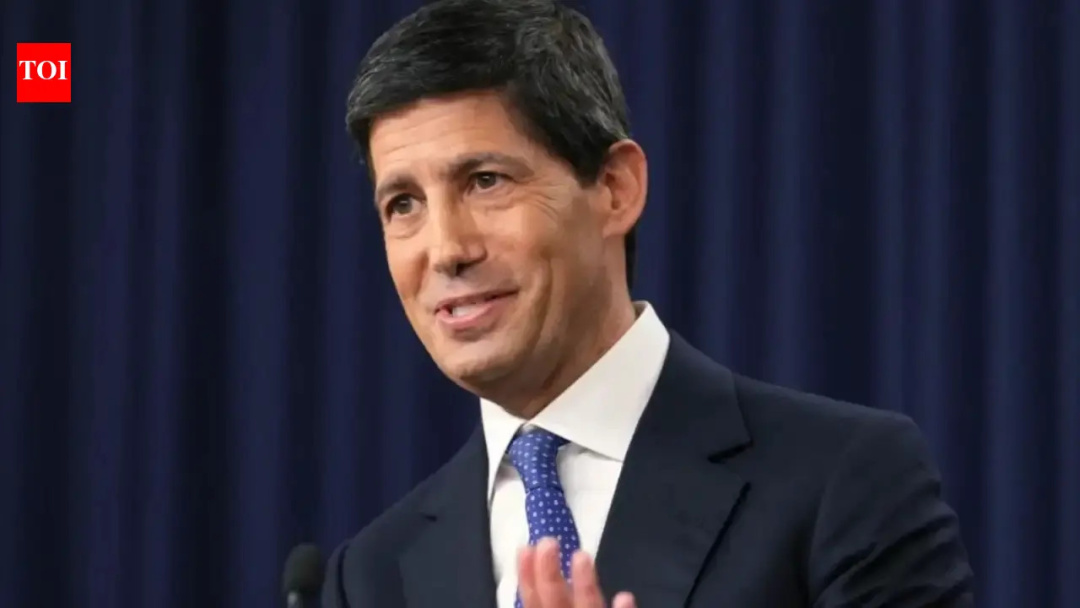
David Kelly, the chief global strategist at JPMorgan Asset Management, has expressed that the Federal Reserve should keep interest rates unchanged, as several disinflationary forces are at play that could mitigate the risk of a prolonged wage-price spiral in the United States. In a recent interview with Bloomberg Television, following the release of July's consumer price data, Kelly stated, "Absolutely they should stay on hold, and I actually think they will." He noted that inflation appeared subdued for the month, with U.S. Treasuries maintaining their gains after the report.
Kelly pointed to easing tariff costs, declining oil prices, and weak wage growth as key factors that should help keep inflation in check. He remarked that the current weak wage growth diminishes the likelihood of price pressures becoming self-sustaining, which would necessitate an increase in interest rates by the Fed. "We essentially have got Teflon inflation in America — it won’t stick," he explained, likening the situation to a slow-healing injury and cautioning against attempts to hasten the process, which could lead to adverse effects.
Market Reading & Resources
Sponsor funding complete. Trade on.
In his critique of the Fed's recent communications, Kelly highlighted the significance of the upcoming Jackson Hole speech by Fed Chair Kevin Warsh, scheduled for the end of August. He advised Warsh to moderate his aggressive tone, recognize the progress made on inflation, and reconsider the Fed's approach to communicating with the markets.
Kelly also discussed the implications of a potential rate increase, suggesting that it could be a close call in terms of restoring the Fed's credibility and anchoring long-term yields. He warned that quantitative tightening could pose greater risks, as it might elevate long-term rates and destabilize markets, especially if it coincides with a rate hike.
Given the substantial leverage in financial markets, Kelly cautioned that even a modest increase in rates could lead to asset repricing, prompting investors to shift towards safer holdings and potentially reducing market momentum.