US Consumer Prices Experience Slight Increase in July Amid Falling Gas Prices

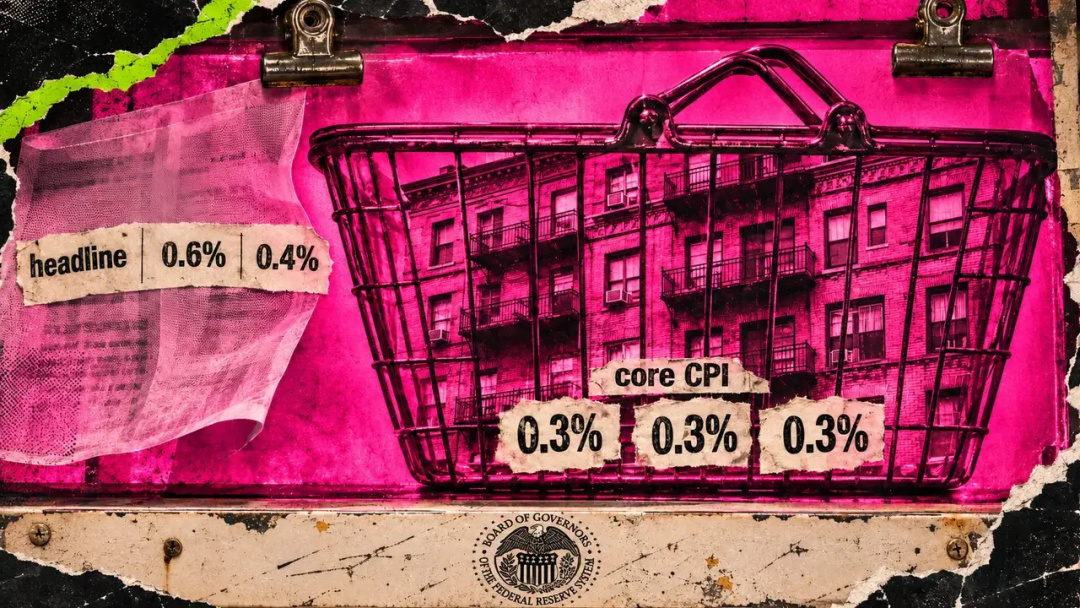
The Consumer Price Index (CPI) report for July 2026 reveals that inflation in the United States remains a concern, despite a slight reprieve. The headline CPI increased by just 0.1% from June to July, a significant slowdown compared to the previous month's 0.4% decline. Year-over-year, the CPI edged down to 3.4% from 3.5% in June, indicating a gradual easing of inflation pressures.
Gasoline prices played a crucial role in this month's report, dropping by 2.9% and contributing to a 1.5% decrease in the broader energy index. However, shelter costs, which are a significant component of the CPI, rose by 0.1% during the same period. The Bureau of Labor Statistics (BLS) noted that shelter accounted for approximately two-thirds of the total monthly increase in the all-items index, highlighting the persistent upward pressure from housing costs.
Market Reading & Resources
Sponsor funding complete. Trade on.
Food prices also saw a modest increase of 0.1% for the month, bringing the year-over-year rise to 3.0%. In contrast, the core CPI, which excludes food and energy prices, rose by 0.2% month-over-month and 2.5% year-over-year, down from 2.6% previously. This annual core reading remains significantly above the Federal Reserve's target of 2%, suggesting that inflation control remains a priority for policymakers.
The July data aligns closely with economists' expectations, providing the Federal Reserve with some leeway to maintain its current policy stance without resorting to further rate hikes. The target range for the federal funds rate remains between 3.5% and 3.75%.
It is important to note that the CPI measures rent costs with a considerable lag, meaning that even as new lease prices in various cities have begun to stabilize, the official inflation figures are still adjusting. Until shelter costs fully reflect current market conditions, achieving a sustained core inflation rate of 2% will continue to pose challenges.
The volatility of energy prices, as evidenced by the significant drop in gasoline costs, serves as a reminder of the factors that can influence the monthly headline inflation figure. While the decline in gasoline prices is noteworthy, the overall inflation landscape remains complex and requires careful monitoring by the Federal Reserve.