US Consumer Inflation Slows in July Amid Energy Price Retreat
In July, consumer inflation in the United States experienced a modest slowdown, attributed to a brief retreat in energy prices and speculation regarding the reopening of the Strait of Hormuz. According to data from the Department of Labor’s Bureau of Labor Statistics (BLS), inflation rose by 0.1 percent compared to the previous month, while year-over-year inflation stood at 3.4 percent.
Energy prices, which have been a significant driver of inflation, saw a decline of 1.5 percent from the previous month, although they remain 14.7 percent higher than a year ago. Michael Klein, a professor at The Fletcher School at Tufts University, noted that the decrease in energy prices was influenced by hopes that the blockage of the Strait of Hormuz would end, but those expectations have not materialized.
Market Reading & Resources
Sponsor funding complete. Trade on.
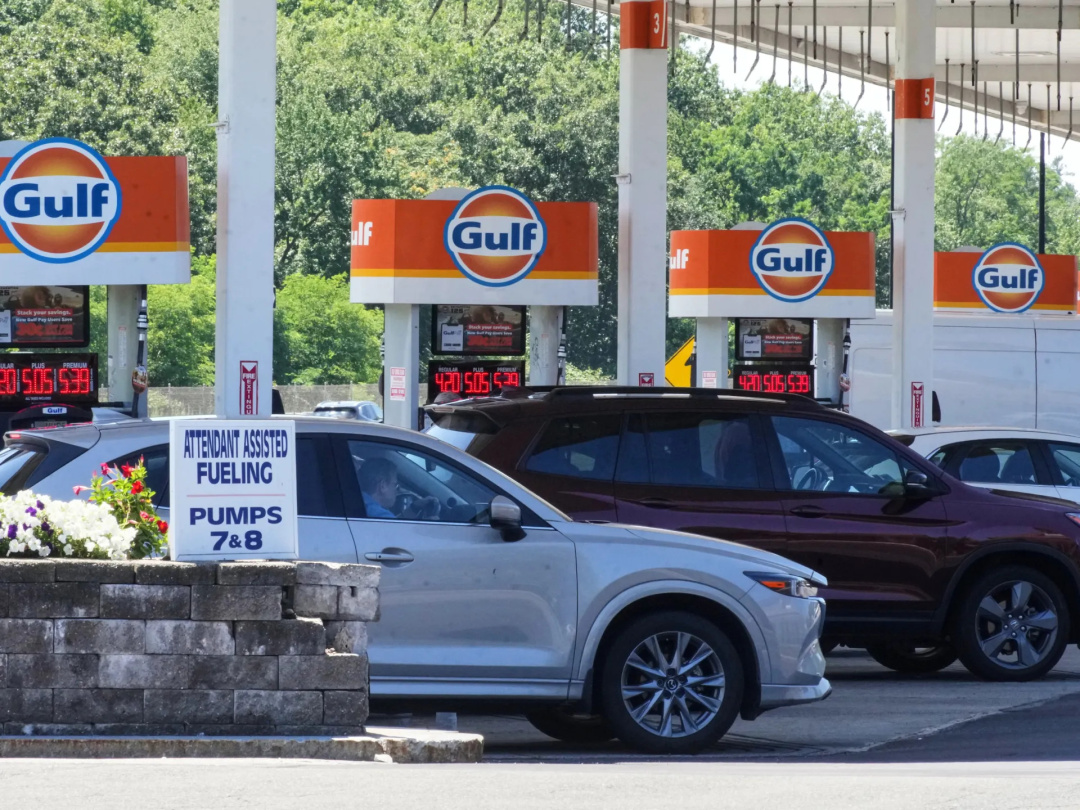
Brent crude oil prices fell by 7 percent last week but have since risen, reflecting ongoing uncertainty in the market. As of Wednesday, Brent crude futures were priced at $89.19 per barrel. Meanwhile, petrol prices dropped by 2.9 percent from last month but surged 39.1 percent compared to the same time last year, with the average price for a gallon of petrol at $4.03.
Food prices also saw a slight increase of 0.1 percent in July, with a year-over-year rise of 3 percent. This inflationary environment coincides with a disappointing jobs report, which indicated a loss of 23,000 jobs in the US economy, particularly in retail, local government, and hospitality sectors. In contrast, the healthcare sector experienced job growth.
The Federal Reserve is under pressure as it assesses its strategy to achieve a target inflation rate of 2 percent. In July, the central bank maintained interest rates at 3.50–3.75 percent. Economists are divided on whether rates will remain unchanged or increase during the upcoming policy meeting scheduled for September 16. Current forecasts suggest a 61.6 percent likelihood of maintaining rates, while 38.4 percent predict an increase to 3.75–4.00 percent.
US stock markets have shown positive responses, with the tech-heavy Nasdaq up 0.7 percent, the S&P 500 rising by 0.3 percent, and the Dow Jones Industrial Average increasing by 0.05 percent since the market opened. Gold prices, often viewed as a safe investment during economic uncertainty, have risen by 1.4 percent to $4,428 an ounce.
As the midterm elections approach, inflationary pressures are becoming a focal point, with only two more inflation reports expected before voters head to the polls. A recent Reuters/Ipsos poll indicates a slight preference among Americans for Democrats over Republicans in handling economic issues, with 37 percent favoring Democrats and 36 percent favoring Republicans.