Market Anticipates 45% Chance of Federal Reserve Rate Hike in September
Recent data from the CME FedWatch Tool suggests that traders are nearly evenly split on whether the Federal Reserve will raise interest rates at its September meeting. The current probability stands at 45% for a 25 basis point increase during the Federal Open Market Committee (FOMC) meeting scheduled for September 16-17, 2026.
The federal funds rate target has remained at 3.50-3.75% since July 2026. As of May 2026, consumer inflation was reported at 4.2%, prompting a rise in rate hike expectations and highlighting the ongoing challenges the Fed faces in managing inflation.
Market Reading & Resources
Sponsor funding complete. Trade on.
Prior to the May inflation report, the likelihood of a rate hike was just under 50%. However, the release of the inflation data caused expectations to surge temporarily before subsequent reports, particularly a disappointing jobs report in July, shifted the odds back towards maintaining the current rate.
By early August, the probability of a rate hike had settled between 45% and 48%, while the chance of keeping rates steady rose to approximately 52%. Looking ahead, about 60% of market participants anticipate a rate hike by the October FOMC meeting.
The Federal Reserve is currently navigating a delicate balance between persistent inflation, which remains significantly above the 2% target, and signs of a weakening labor market. The July employment report fell short of expectations, presenting a classic dilemma for the Fed: whether to increase rates to combat inflation or to hold steady and risk allowing inflation expectations to become entrenched.
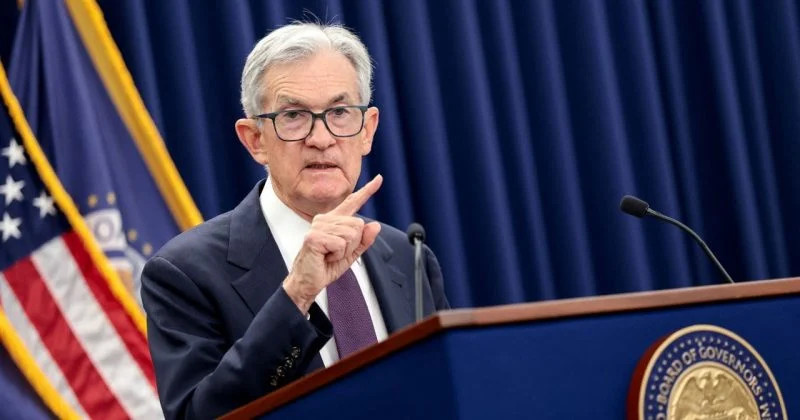
The upcoming September FOMC meeting will feature updated economic projections and a press conference led by Fed Chair Jerome Powell. The CME FedWatch Tool, which translates fed funds futures pricing into implied probabilities, has become an essential resource for market participants trying to gauge the Fed's next moves.
Should the Fed decide to raise rates to a target of 3.75-4.00%, borrowing costs across various sectors, including mortgages, corporate debt, and auto loans, will increase, affecting the broader economy. Conversely, a decision to hold rates steady would merely defer the possibility of a hike to the October meeting, where market expectations are already leaning towards action. The forthcoming August jobs report and any inflation data released prior to the FOMC meeting are likely to be critical in determining the Fed's decision.