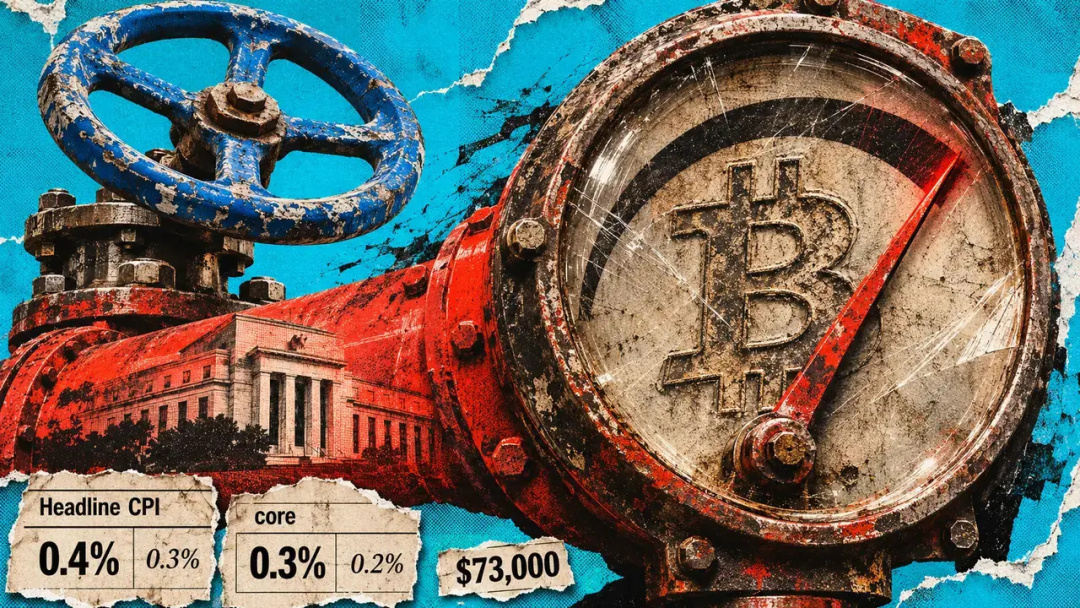
Consumer Price Index Release Expected to Show Inflation Outpacing Wage Growth
The Bureau of Labor Statistics is set to release the consumer price index (CPI) for July, with projections suggesting that inflation has likely outpaced wage growth for American workers. Economists surveyed by Dow Jones anticipate an annual inflation rate of 3.4%, a slight decrease from June's 3.5%. Despite this decline, inflation remains higher than the average hourly wage growth of 3.2% reported for July, raising concerns about the possibility of stagflation, where wage growth stagnates while inflation remains elevated.
Energy prices have been a significant factor in inflation concerns. The CPI had surged to 4.2% in May, largely due to rising crude oil prices amid geopolitical tensions. Although energy prices moderated following announcements regarding U.S. military actions, they have since crept up again, with U.S. crude oil nearing $85 per barrel and international Brent crude reaching $90 per barrel.
Market Reading & Resources
Sponsor funding complete. Trade on.
Economists from PNC Financial noted that energy prices are expected to exert a modest disinflationary influence on the July CPI, though not as significantly as in June. Jet fuel prices have also remained high, leading to a forecasted 2% increase in airfare prices for July, reflecting the rising costs of jet fuel.
Market analysts and the Federal Reserve will closely monitor the core CPI, which excludes volatile food and energy prices. This figure is expected to rise by 0.2% from June, with a year-over-year rate projected to fall slightly from 2.6% to 2.5%. However, these levels are still considered too high by several Federal Reserve members.
Beth Hammack, president of the Federal Reserve Bank of Cleveland, indicated that the central bank may need to implement multiple rate hikes to control inflation. She emphasized the urgency of taking action to bring inflation back to the Fed's 2% target, warning that delays could complicate efforts to reduce inflation and increase costs for consumers.
The Fed's next interest rate decision is scheduled for September 16. Other officials, including Minneapolis Fed President Neel Kashkari, have echoed Hammack's concerns, attributing inflation to supply shocks and the rising costs associated with the booming artificial intelligence data center sector. This surge in demand for computer memory has led to significant price increases for consumer electronics, prompting companies like Apple to raise product prices.