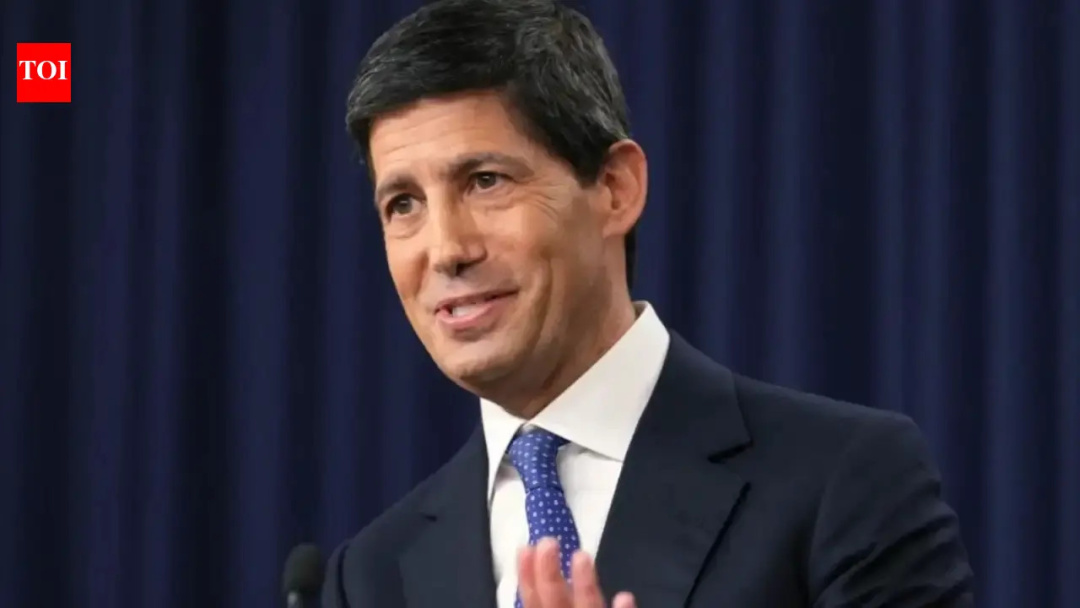
Goolsbee Highlights Inflation as Key Economic Challenge for the U.S.
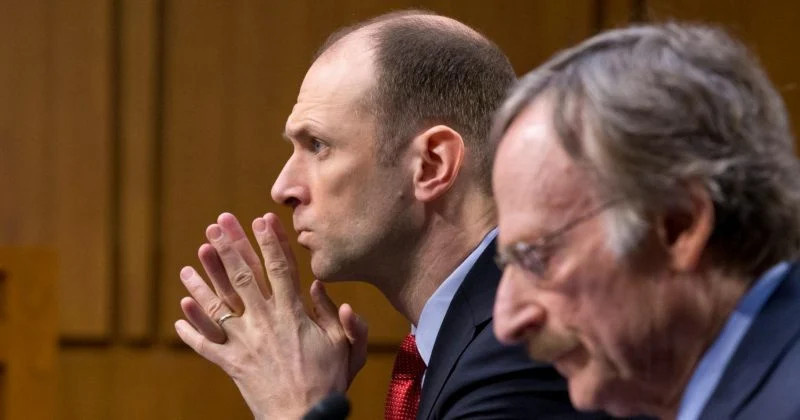
In an interview with Wired on August 11, Chicago Federal Reserve President Austan Goolsbee expressed that inflation has become the foremost economic concern, surpassing fears of widespread job losses that have been prevalent in recent discussions. Goolsbee stated, "The biggest problem facing our economy right now is not the collapse of industry and the collapse of jobs; it’s that the prices have been rising too fast, we got an inflation problem and people hate inflation."
He described the current employment situation as stable, citing metrics such as the unemployment rate, hiring rate, and layoff rate as indicators that the job market is not in crisis. However, he noted that this stability is not necessarily positive, suggesting that the economy is merely maintaining its position rather than thriving.
Market Reading & Resources
Sponsor funding complete. Trade on.
Goolsbee's concerns about inflation are not new; he has been vocal about this issue throughout 2026. In previous months, he highlighted persistent inflation in services and raised questions about whether price pressures stemming from tariffs and energy costs would be temporary or more permanent.
The impact of tariffs adds complexity to the inflation scenario, as these price increases act like a tax on consumers and may disrupt supply chains. Goolsbee has expressed uncertainty about whether these tariff-related pressures will diminish or become a lasting aspect of the inflation landscape.
For those anticipating imminent interest rate cuts from the Fed, Goolsbee's remarks serve as a cautionary note. He did not indicate any forthcoming policy easing, suggesting that the central bank is likely to maintain elevated interest rates until inflation is effectively managed and brought back toward its 2% target.
It is also important to note that Goolsbee framed his Wired interview as primarily an educational effort rather than a platform for specific policy announcements. This context allows for some flexibility in his statements, but the consistency of his message across various platforms signals a clear policy direction regarding inflation.