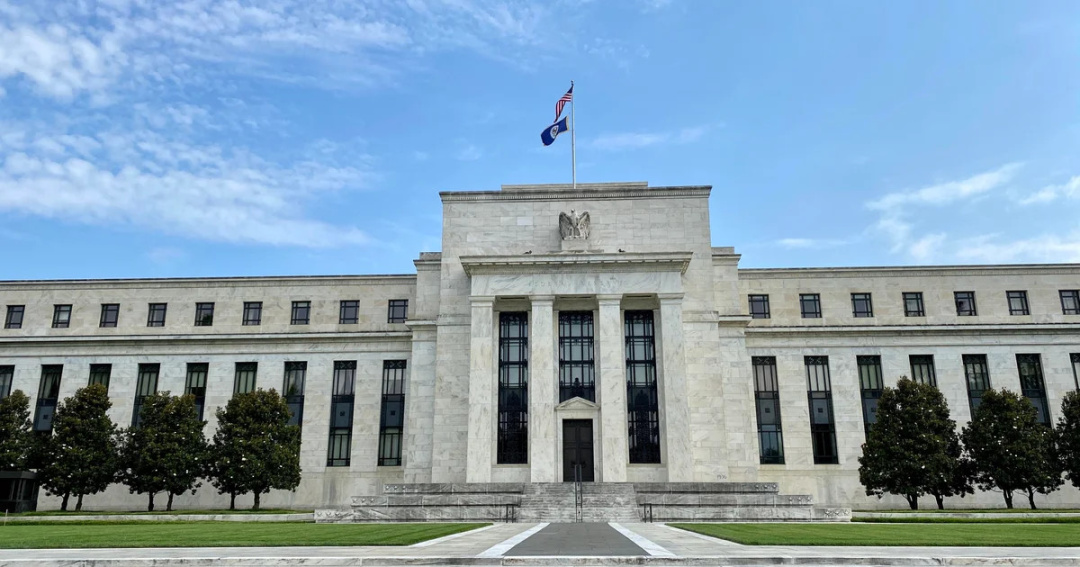
Impact of July CPI Report on Federal Reserve's Rate Decision
The Bureau of Labor Statistics is scheduled to release the July Consumer Price Index (CPI) report on August 12 at 8:30 a.m. ET, a data point that could heavily influence the Federal Reserve's upcoming interest rate decision. The Federal Open Market Committee (FOMC) recently voted 9-3 to maintain the federal funds rate between 3.5% and 3.75%, with three members advocating for a rate hike. A strong inflation reading could bolster their argument as the committee approaches its September meeting.
In June, the CPI decreased by 0.4% month-over-month and registered a year-over-year increase of 3.5%, a notable decline from the 4.2% annual rate reported in May. The Fed aims for a 2% inflation target, indicating that current levels remain significantly elevated.
Market Reading & Resources
Sponsor funding complete. Trade on.
Economists anticipate that the July report will show a slight month-over-month increase of 0.09% and a year-over-year rise of 3.4%. If these predictions hold true, it would suggest a continued cooling trend in inflation, limiting the arguments for a rate hike. Conversely, a higher-than-expected CPI could quickly alter the Fed's calculus.
The recent FOMC vote highlights the division within the committee, as three members were prepared to raise rates despite the majority opting for a more cautious approach. By the time the FOMC convenes in September, they will have access to both the August inflation report and additional labor market data, which will further inform their decision.
Should the July CPI exceed the forecast of 3.4% year-over-year, bond yields are likely to rise as investors adjust their expectations for a September rate hike. This could place pressure on equity markets, particularly in sectors sensitive to interest rates, such as real estate and utilities. The dissenting members of the FOMC would gain a stronger position, increasing the likelihood of a 25 basis point rate increase.
On the other hand, a lower-than-expected CPI reading could lead to decreased bond yields and a more stable equity market, allowing the majority of the Fed to maintain their current stance.
The labor market adds another layer of complexity to the Fed's decision-making process. A disappointing jobs report for July indicated a loss of 23,000 jobs, which complicates the Fed's dual mandate of managing inflation while ensuring employment stability. The Fed has consistently emphasized the importance of monitoring employment trends alongside inflation, as a tight labor market can sustain wage growth and contribute to inflation in the services sector.
With the September meeting approaching in nearly six weeks, the July CPI report is the first of two critical inflation releases that will shape the Fed's strategy moving forward.