Record Short Positions in Treasury Futures Heighten Stakes for Inflation Reports
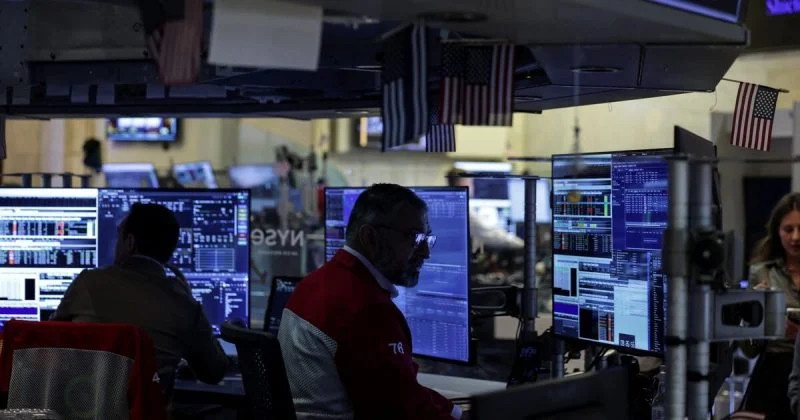
Hedge funds have amassed a record 1.29 million net short Treasury futures contracts, making every upcoming Consumer Price Index (CPI) print a potential market flashpoint. Bond bears are out in force, as trend-following hedge funds and leveraged investors have built the largest short position in US Treasury futures on record. This significant positioning indicates a strong bet that bond prices will continue to fall and yields will keep climbing.
The timing of these positions is crucial. With major US inflation reports on the near-term calendar, this setup turns routine data releases into potential market earthquakes. If the CPI number comes in hotter than expected, these shorts could appear prescient. Conversely, a cooler CPI report could lead to a rush to cover positions, sending bond prices surging in a matter of hours.
Market Reading & Resources
Sponsor funding complete. Trade on.
Inflation fears initially drove the compression of these positions. In May 2026, ten-year Treasury yields spiked to over 4.6%, a level not seen in more than a year. This spike rattled fixed-income portfolios and reinforced the bearish thesis that persistent price pressures would keep the Federal Reserve in a hawkish stance longer than many anticipated.
Trend-following funds, often referred to as commodity trading advisors (CTAs), operate as momentum machines. They do not form independent views on the economy but instead follow price signals. Throughout mid-2026, the clear signal was that bond prices were falling, prompting these funds to short bonds. This strategy creates a feedback loop where more funds enter the same trade, pushing prices lower and reinforcing the trend signal, which attracts even more shorts.
By late July, this feedback loop had resulted in a record concentration of short positions across multiple maturities of the Treasury curve, amplifying the aggregate exposure. A soft inflation print, indicating that price pressures are cooling faster than expected, would provide short-sellers with a reason to exit their positions. Short-covering rallies in bond markets can be sharp and swift, as buyers are often traders closing losing bets under duress, which accelerates the price movement.
Interestingly, despite the surge in speculative shorts, broader market participants have not made significant directional bets in the opposite direction. This situation creates a one-sided market dynamic that leaves it vulnerable to sharp reversals if the data aligns favorably.
The yield spike in May 2026 served as a preview of how quickly market conditions can tighten. Mortgage rates, which closely follow longer-dated Treasuries, moved in tandem with these yields. Credit spreads widened slightly as investors adjusted their risk assumptions, and currency markets felt the impact of higher US yields, which tend to attract capital flows into dollar-denominated assets. This dynamic strengthens the dollar and complicates trade for export-heavy economies.
For cryptocurrency markets, the relationship with bond yields has become increasingly significant as institutional capital has entered the space. Historically, risk-off moves driven by yield spikes have correlated with pullbacks in Bitcoin and other digital assets, as institutional players reduce overall portfolio risk.