Cleveland Fed's Hammack Urges Action on Inflation, Signals Rate Hike
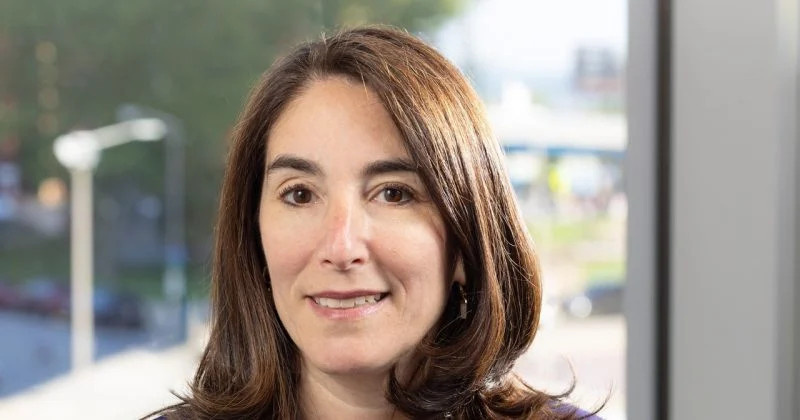
Beth Hammack, the president of the Federal Reserve Bank of Cleveland, has made it clear that she believes the time for action on inflation has arrived. In early August 2026, Hammack warned that inflation will not return to the Federal Reserve's target of 2% without deliberate intervention from policymakers. This marks a significant shift from her previous stance of advocating patience in monetary policy.
As recently as April 2026, Hammack had been urging restraint on rate adjustments, preferring to wait for more data before making any decisions. However, her recent comments reflect a growing urgency as inflation remains stubbornly high. The Federal Open Market Committee (FOMC), led by Chairman Kevin Warsh, held rates steady at its August meeting, but internal dissent was evident, with some officials questioning whether maintaining the current rate was appropriate given ongoing inflationary pressures and market volatility.
Market Reading & Resources
Sponsor funding complete. Trade on.
Hammack's perspective is that the current economic resilience is complicating the Fed's efforts to manage inflation. Strong economic indicators have kept demand high, which in turn has sustained price pressures above the desired target. Her remarks suggest a clear prioritization of price stability over employment concerns, indicating a shift in the Fed's dual mandate focus.
In response to recent communications from the Fed, bond yields have risen, with longer-dated Treasuries experiencing sell-offs as traders adjust their expectations for future rate movements. This has led to an increase in breakeven inflation expectations, signaling that market participants anticipate a potential rate hike. Some economists are forecasting a 25 basis point increase by December 2026, which would be the first hike after a prolonged period of stable rates.
When Hammack assumed her role at the Cleveland Fed in August 2024, many believed inflation would gradually decrease toward the target. However, this assumption has faced challenges, particularly with services inflation remaining elevated due to wage growth and sustained demand in sectors like housing and healthcare. The improvements that had previously helped reduce goods inflation have largely run their course, leaving the Fed with fewer straightforward options for achieving price stability.
Hammack's earlier comments reflected a belief that patience would yield positive results, but by August, that view had lost its appeal. The rising breakeven inflation expectations suggest that inflation expectations may be becoming unanchored, complicating the Fed's task.
The upcoming December FOMC meeting is critical. If economic data continues to show robust growth alongside persistent inflation, the rationale for a 25 basis point hike will become increasingly compelling. Hammack's public statements indicate she would support such a move.
The central bank has faced scrutiny over its transparency and messaging, with markets sometimes surprised by the disconnect between official guidance and actual policy decisions. Hammack's clear call for action, as opposed to patience, provides a more straightforward message to the market.
For investors, a tightening bias from the Fed typically favors short-duration fixed income over long-duration bonds, value stocks over growth, and cash-heavy balance sheets over those with high leverage. Sectors sensitive to borrowing costs, such as real estate and utilities, often struggle in rising-rate environments.