Methodist Church Nigeria Calls for Action on Insecurity and Economic Issues
The Methodist Church Nigeria has issued a strong call to the Federal Government, urging it to take decisive measures to combat the worsening issues of insecurity, economic hardship, unemployment, and corruption. This appeal was made during the church's 50th/15th Biennial Conference, where leaders expressed concern that increased government revenues have not translated into significant improvements in the lives of ordinary Nigerians.
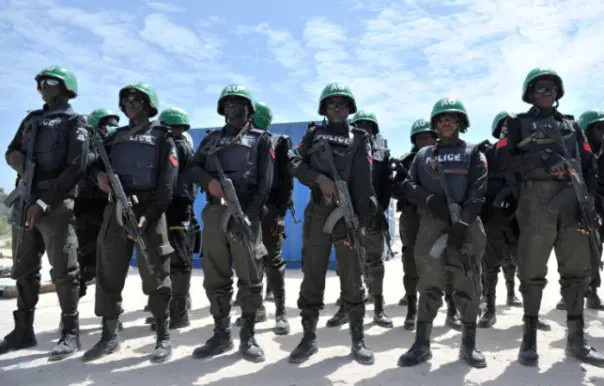
The church advocates for the establishment of State Police, viewing it as a crucial element of comprehensive security reform. This reform is seen as essential for enhancing grassroots intelligence and enabling quicker responses to security threats across the nation.
Market Reading & Resources
Sponsor funding complete. Trade on.
During a press conference at the Cathedral of Light in Ibadan, the Prelate of the Methodist Church Nigeria, Dr. Oliver Ali Aba, highlighted the church's reflections on the nation's challenges. He reaffirmed the belief that Nigeria can overcome its difficulties through faith, justice, and collective action. The church's communiqué emphasized that despite current hardships, the promise of hope remains strong.
The church acknowledged the government's reform efforts in various sectors but expressed deep concern over the persistent economic struggles facing millions of Nigerians. It identified corruption and mismanagement of public resources as significant barriers to national development, calling for leadership that prioritizes accountability and the welfare of citizens.
The communiqué also addressed the alarming levels of insecurity, particularly in regions like Benue and Plateau States, where violent attacks have become frequent. While commending the government for recent successful rescue operations, the church mourned the loss of lives due to insecurity and called for continued efforts to ensure safety.
In addition to its focus on security and economic issues, the church condemned recent xenophobic attacks in South Africa and urged diplomatic efforts to protect Nigerian citizens abroad. It also reaffirmed its commitment to moral leadership and constructive engagement with the government to promote peace and progress in Nigeria.
The church's leaders emphasized the importance of collaboration between government and faith-based organizations, advocating for tangible improvements in governance and citizen welfare. They expressed a desire for a harmonious relationship between the church and the government, stressing the need for both entities to work together for the nation's development.
As the church continues to engage with national issues, it remains committed to prayer and moral guidance, asserting its role as a voice for the voiceless and a conscience for society. The Prelate concluded by urging Nigerians to remain hopeful and actively participate in the nation's progress, emphasizing that the church will always speak the truth when necessary.