Yen Loses Ground After US-Japan Currency Intervention
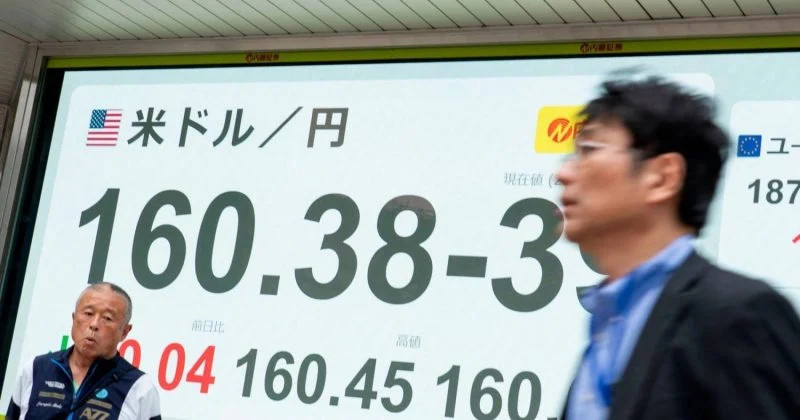
On July 31, the US and Japan executed their first joint currency intervention since 1998, aiming to bolster the yen, which had been experiencing significant depreciation. Initially, the yen strengthened from just above 163 per dollar to a high of 155. However, by August 7, it had fallen back to approximately 157.76, effectively erasing nearly half of the gains achieved through the intervention. Reports indicate that Japanese authorities spent around $36.58 billion on this operation, translating to about $4.5 billion for each lasting improvement in the yen's value, raising questions about the intervention's cost-effectiveness.
Historically, the last joint intervention occurred during the Asian financial crisis in 1998, while the most recent coordinated action was in 2011, when G7 central banks intervened following the Tohoku earthquake. This time, the intervention was necessary due to the yen's prolonged weakness, which reached multi-decade lows near 164 per dollar in late July. The depreciation is largely attributed to the Bank of Japan maintaining significantly lower interest rates compared to the US, making the dollar a more attractive investment.
Market Reading & Resources
Sponsor funding complete. Trade on.
US Treasury Secretary Scott Bessent emphasized that the US is prepared to engage in further joint interventions if necessary. Japan's previous solo interventions in 2022, which cost around $60 billion, followed a similar pattern of initial gains followed by a gradual decline in the yen's value.
The financial implications of a weak yen extend beyond currency markets; it significantly impacts Japanese consumers and businesses by increasing the costs of imported goods, including energy and food. As Japan relies heavily on imports for its energy needs, a weaker yen translates directly into higher prices for electricity and gasoline.
Looking ahead, key indicators to monitor include upcoming US inflation reports and the Bank of Japan's policy decisions. A higher-than-expected US Consumer Price Index (CPI) could delay rate cuts, further strengthening the dollar and exerting additional pressure on the yen. Conversely, any indication that the Bank of Japan may accelerate its tightening measures could provide the yen with the fundamental support that intervention spending alone has failed to achieve.