Federal Reserve Launches Task Forces to Enhance Economic Data Analysis
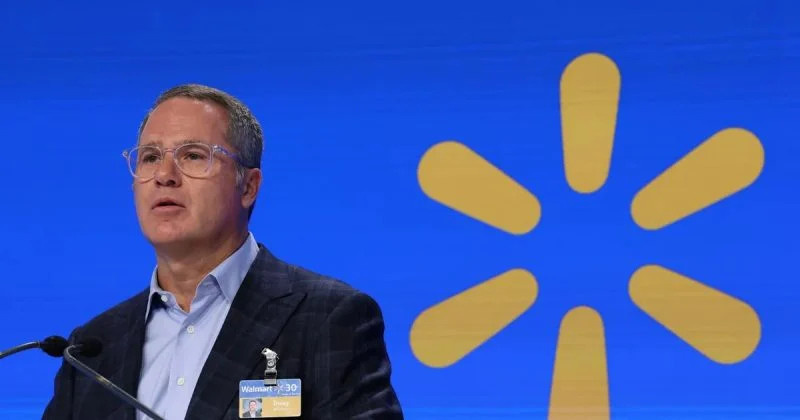
On July 9, 2026, the Federal Reserve unveiled plans to establish five external task forces designed to transform how the central bank collects and interprets economic data. Among these groups, one will focus on enhancing data quality and timeliness, co-led by Doug McMillon, former CEO of Walmart, alongside Harvard economist Raj Chetty and University of Chicago economist Kevin Murphy. This initiative marks a significant shift under the leadership of new Fed Chair Kevin Warsh, who took office on May 22, 2026, and aims to usher in a "new chapter" for the institution.
McMillon, who led Walmart for 11 years, brings valuable insights from a company that processes millions of transactions daily, providing real-time economic data that traditional government surveys often overlook. This approach addresses the Fed's historical reliance on lagging statistics, which can misrepresent current economic conditions.
Market Reading & Resources
Sponsor funding complete. Trade on.
Chetty's expertise in economic mobility and income data complements McMillon's focus, utilizing administrative records and private datasets to reveal trends in inequality ahead of government reports. Murphy contributes a strong foundation in structural economics, rounding out the team's diverse skill set.
Warsh has emphasized the need to update the tools used to diagnose inflation, which he identifies as a primary concern. He argues that conventional statistical models are outdated and fail to capture the rapid changes in pricing dynamics, supply chain disruptions, and labor market fluctuations.
The data from Walmart is particularly pertinent for assessing inflation, as it allows for near real-time monitoring of price changes at the shelf level, offering insights that the Bureau of Labor Statistics' monthly Consumer Price Index (CPI) cannot provide promptly. This lag has been a source of frustration for central bankers, especially following the inflation surge post-pandemic.
The effectiveness of these task forces will be closely monitored, particularly regarding how quickly they can generate actionable recommendations and whether these will influence the Federal Open Market Committee's (FOMC) decision-making processes. Warsh's credibility in leading this "new chapter" will depend on the visible impact of McMillon, Chetty, and Murphy's work on FOMC discussions within the next 12 to 18 months.
Market participants will be attentive to Warsh's press conferences and meeting minutes for any references to alternative data sources. If the Fed begins to incorporate proprietary retail data or mobility metrics alongside traditional government statistics, it will indicate that the task forces have succeeded in their mission.