Weak US Jobs Report Boosts Emerging-Market Stocks as Fed Eases Rate Hikes
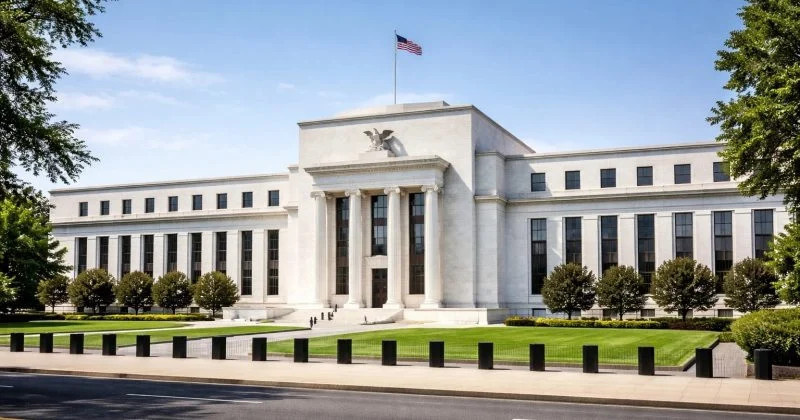
The release of the July US employment report has significantly altered the outlook for monetary policy, leading to a surge in capital flowing toward riskier assets in emerging markets. The report revealed a decrease of 23,000 jobs in nonfarm payrolls, a stark contrast to economists' predictions of an increase of approximately 85,000 jobs. This unexpected decline has prompted a rally in emerging-market stocks and currencies, as the Federal Reserve's tightening cycle appears to be losing momentum.
This marks the first monthly drop in US payrolls in five months, and it comes alongside downward revisions to previous months' employment figures, suggesting a faster cooling of the labor market than policymakers had anticipated. Released by the Bureau of Labor Statistics on August 7-8, the report presented a complex picture: while the headline payroll number was disappointing, the unemployment rate dipped from 4.2% to 4.1%. However, this improvement is somewhat misleading, as it coincided with a decline in labor force participation.
Market Reading & Resources
Sponsor funding complete. Trade on.
The markets reacted predictably, focusing on the payroll miss rather than the slight improvement in unemployment. Traders quickly adjusted their expectations for near-term Fed rate hikes, retracting bets that had been building throughout the spring. US stocks responded positively to the news, but the more significant narrative unfolded in developing economies, where equities and currencies gained traction as the dollar weakened and Treasury yields fell.
Weak US employment data reduces the pressure on the Fed to raise interest rates. Lower US rates translate to lower Treasury yields, making dollar-denominated assets less appealing. Consequently, capital flows toward higher-yielding alternatives, with emerging markets often at the forefront of this shift.
Additionally, a weaker dollar directly benefits emerging-market economies, many of which carry dollar-denominated debt. A softer dollar effectively lowers their borrowing costs and enhances their export competitiveness, as their goods become cheaper on the global market.
The employment shortfall was particularly pronounced in sectors such as local government education and retail. This, combined with prior month revisions, has shifted investor sentiment towards anticipating fewer rate hikes from the Fed.
The July jobs report fell into a favorable zone for investors: while payrolls declined, the unemployment rate showed improvement on paper, providing a glimmer of hope. The Fed, which had previously indicated a willingness to continue tightening if inflation remained persistent, now finds itself with less justification for further rate hikes.
For investors in emerging markets, the implications extend beyond US monetary policy. Many developing economies are grappling with their own inflation challenges, often accompanied by higher domestic interest rates. If the Fed pauses or reverses its course, it grants these central banks greater flexibility to lower their rates without risking capital flight. This is especially pertinent for nations in Latin America and Southeast Asia, where central bankers have been cautiously easing but remain cautious about moving too quickly relative to the Fed.