South Korea's Semiconductor Sector Fuels Economic Growth Amid Inflation
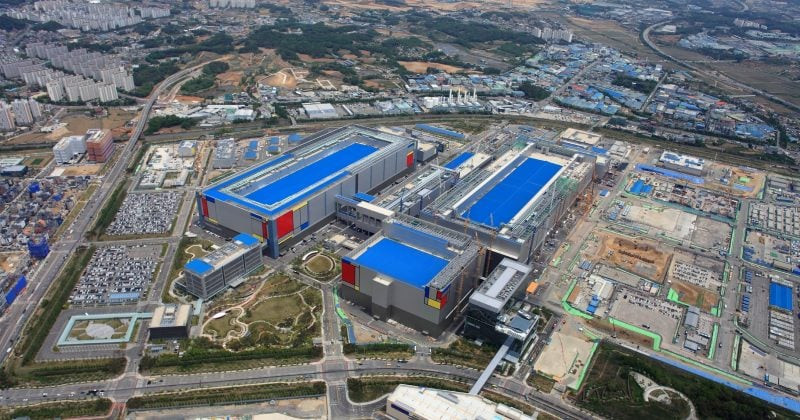
The Korea Development Institute (KDI) has updated its GDP growth forecast for South Korea to 2.5%, driven by a significant rise in demand for semiconductors, particularly those used in artificial intelligence applications. According to KDI's July Economic Trends report, released on July 8, the semiconductor sector is now the primary contributor to the country's improving economic outlook.
A notable highlight from the report is the 75.9% increase in investment in semiconductor manufacturing equipment recorded in May. This surge has contributed to a year-on-year rise of 2.3% in total industrial production for the same month, continuing a positive trend observed in previous months. Overall facility investment grew by 9.7%, but the semiconductor equipment sector outpaced this broader growth significantly.
Market Reading & Resources
Sponsor funding complete. Trade on.
On the trade front, South Korea's exports saw a remarkable increase of 70.9% on a daily average basis in June, largely fueled by semiconductors and information and communication technology (ICT) products. KDI's upward revision of its GDP growth forecast reflects the strong performance of the semiconductor sector, which accounted for more than 0.3 percentage points of this adjustment.
In mid-July, the South Korean government also raised its GDP forecast to 3.0%, citing a semiconductor supercycle driven by global demand for AI chips. However, the economic landscape is not without challenges. Mining and manufacturing production experienced a decline of 0.9% in May, and growth in semiconductor production itself slowed from 13.3% to just 1.5%.
KDI has also highlighted persistent concerns regarding inflation, particularly due to rising oil prices, and geopolitical uncertainties that could impact long-term economic stability. The difference between KDI's 2.5% forecast and the government's more optimistic 3.0% projection suggests that KDI is factoring in greater downside risks than those acknowledged by policymakers.