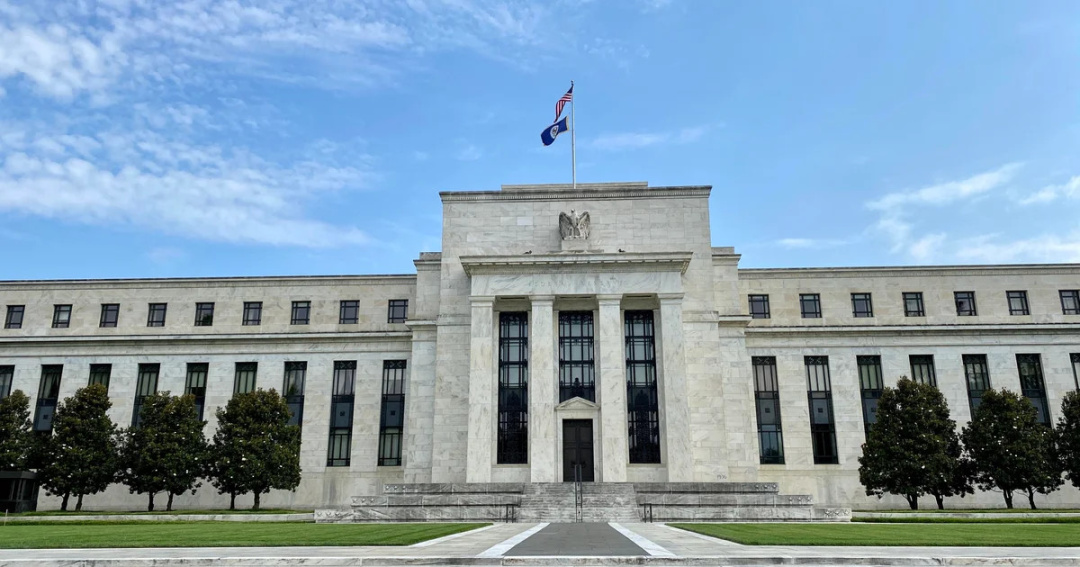
Federal Reserve Faces Dilemma on Interest Rates Amid Inflation Concerns
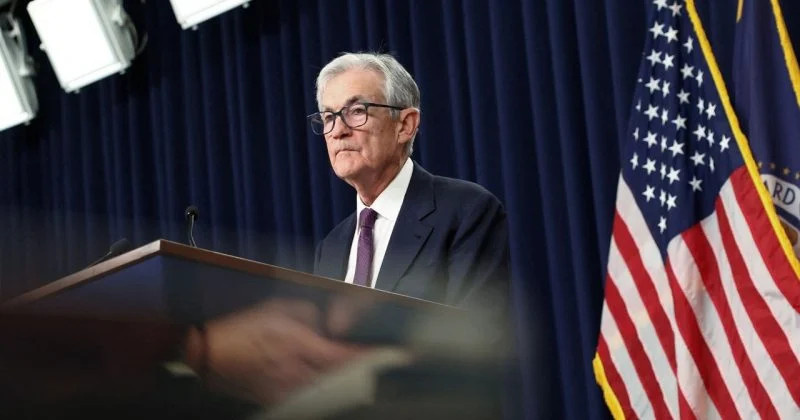
The Federal Reserve's recent meeting concluded with a decision to maintain interest rates, but the vote revealed significant division among its members. The 9-3 split indicates a contentious debate surrounding inflation as the Fed prepares for its next meeting on September 15-16, with a critical Consumer Price Index (CPI) report due around August 12.
Currently, the federal funds rate is set between 3.5% and 3.75%, unchanged since the last adjustment. The CPI data from June provided mixed signals, showing a month-over-month decrease of 0.4%, which was a relief after several months of persistent inflation. However, year-over-year inflation remains a concern, recorded at 3.5%, down from 4.2% in May but still above the Fed's target of 2%. The core CPI, excluding food and energy, stands at 2.6% annually.
Market Reading & Resources
Sponsor funding complete. Trade on.
Energy prices have played a crucial role in the recent CPI improvement, having fallen from earlier highs in 2026. However, this disinflation could reverse quickly due to ongoing geopolitical risks, particularly tensions in the Middle East, which could disrupt supply chains and push inflation higher.
The dissenting votes at the Fed meeting are noteworthy, as three members advocated for an immediate 25-basis-point increase, arguing that delaying action could lead to the Fed falling behind in its inflation management. The majority opted to wait for more data before making any changes.
Market expectations currently suggest a 36% chance of a rate hike at the upcoming September meeting. Goldman Sachs anticipates easing later in 2026, projecting a terminal rate of around 3% to 3.25% as inflationary pressures subside.
The upcoming CPI release is poised to be one of the most significant economic indicators of the year. Should inflation remain low or negative, it would support the Fed's decision to keep rates steady. Conversely, a rise in prices, especially in critical areas like housing and services, could validate the dissenters' concerns and increase the likelihood of a rate hike.
The digital asset markets, including Bitcoin, have shown a correlation with macroeconomic rate expectations. Anticipated easing has generally led to increased risk appetite in the crypto space, while unexpected hawkish signals have negatively impacted prices.
If geopolitical tensions escalate and disrupt energy supplies, the Fed may face a challenging scenario of rising inflation coupled with slowing economic growth, complicating its monetary policy decisions.