Russia's Oil Exports Reach Record Levels Amid Ongoing Drone Strikes
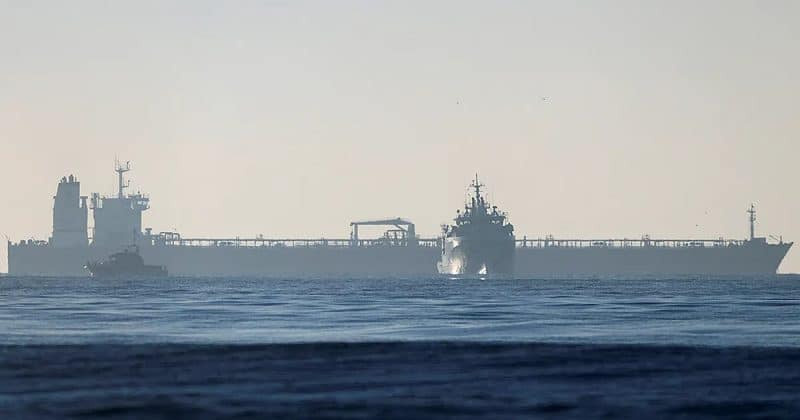
In June, Russia's oil exports reached unprecedented levels, with western ports like Primorsk, Ust-Luga, and Novorossiysk expected to load between 2.7 and 2.8 million barrels per day. This marks a significant increase from May's 2.5 million barrels per day and far exceeds earlier forecasts of 1.7 million barrels per day. Overall, Russia's seaborne crude shipments averaged 4.13 million barrels per day at the end of June, the highest since the onset of the Ukraine invasion in early 2022.
The surge in exports is largely attributed to multiple Ukrainian drone strikes that have severely impacted domestic refining capabilities in Russia. As a result, crude oil that would typically be processed for domestic use is now being redirected to international markets, particularly in Asia. This shift has created a gap of approximately one million barrels per day between initial forecasts and actual export levels, a phenomenon referred to as the "drone dividend."
Market Reading & Resources
Sponsor funding complete. Trade on.
Despite the record export volumes, the financial implications for Russia are complex. Prices for Russian crude grades have significantly declined, particularly for Baltic loadings, which are a key benchmark. Consequently, selling 2.8 million barrels a day at lower prices may yield less revenue than selling a smaller volume at higher margins. This situation poses challenges for Moscow, as the economic benefits of increased export volume are offset by reduced prices.
The decline in oil prices could have broader implications for global inflation. Lower energy costs can alleviate inflationary pressures across various sectors, including shipping, manufacturing, and electricity generation. If Russia's oversupply continues to exert downward pressure on crude prices, it may provide central banks with more flexibility to adjust interest rates.
Additionally, Russia has developed a sophisticated network of tankers and payment systems to facilitate oil exports outside of Western financial systems. This ability to maintain high export levels despite stringent sanctions raises questions about the effectiveness of these restrictions. However, there has been no clear connection established between the surge in oil exports and fluctuations in digital asset prices, leaving some uncertainty in the crypto market.