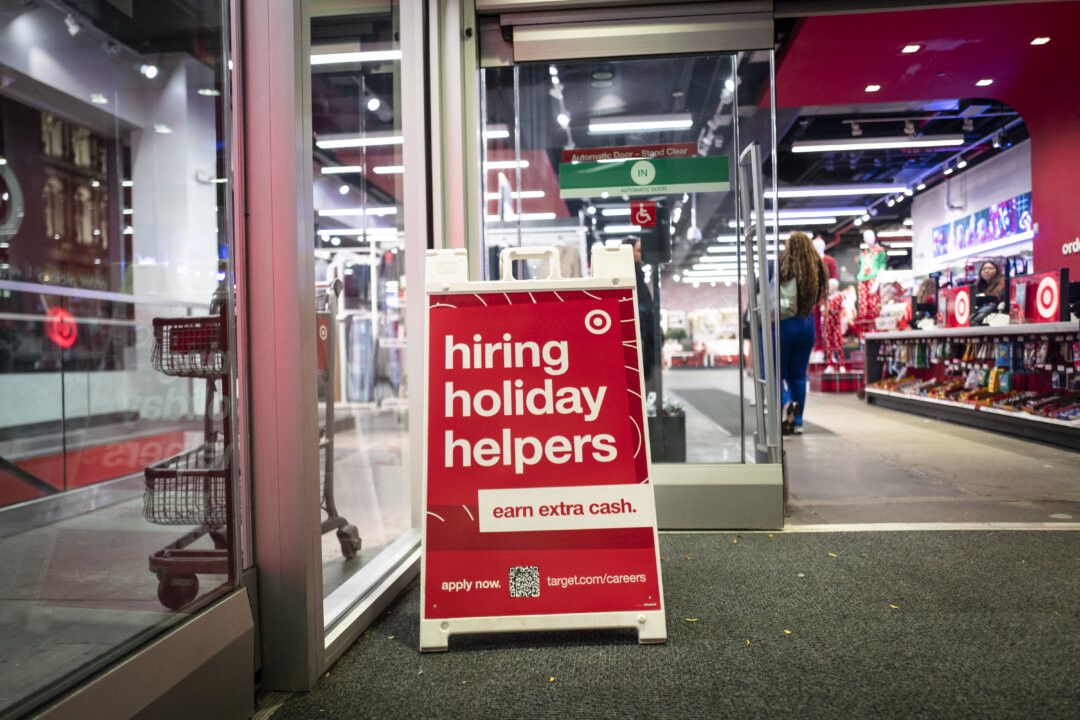
U.S. Economy Reports Job Losses Despite Declining Unemployment Rate
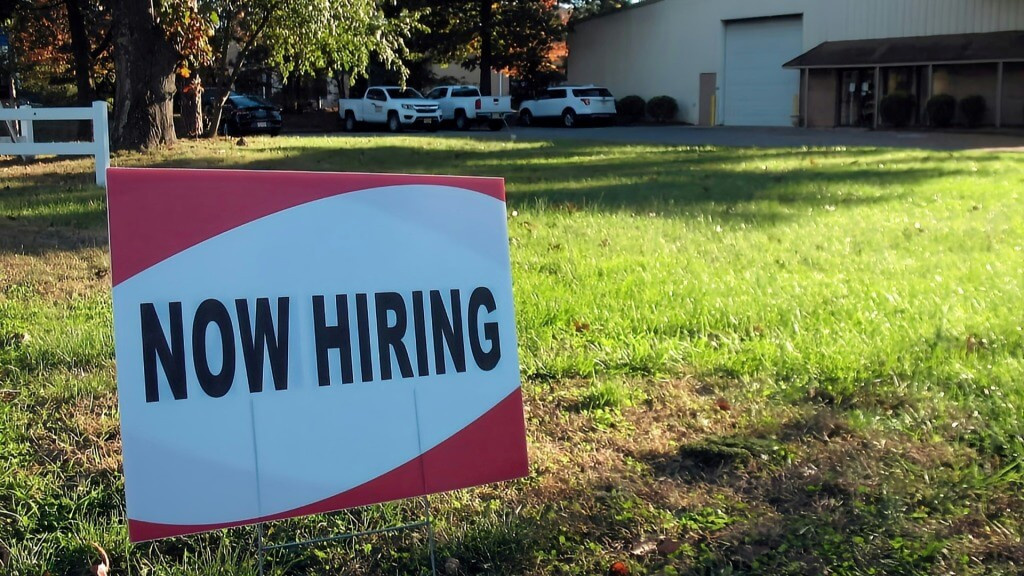
The Bureau of Labor Statistics (BLS) has reported an unexpected decline in U.S. jobs, with the economy losing 23,000 positions last month, contrary to economists' predictions of an 80,000 job gain. This figure is subject to revision, as past reports often undergo adjustments due to the nature of the survey process, which tends to favor larger firms that respond more promptly than smaller businesses. The BLS also noted that revisions to previous months' data indicate a combined loss of 103,000 jobs in May and June.
A significant factor affecting the reliability of the jobs report is the response rate from businesses, which has decreased from approximately 70% before 2020 to around 60% today. This decline in data collection can lead to greater variability in reported job figures. While the report's headline number may seem alarming, many experts suggest that the overall labor market remains stable, despite the recent downturn.
Market Reading & Resources
Sponsor funding complete. Trade on.
Interestingly, the unemployment rate has decreased from 4.2% to 4.1%, indicating a complex labor market dynamic. The BLS reported that while the overall job count fell, employment in healthcare continued to rise, albeit at a slower pace than in previous months. The report also highlighted that the number of temporary layoffs increased, suggesting that while some sectors are struggling, others are still experiencing growth.
The market's reaction to the jobs report has been cautious, with bond yields reflecting uncertainty about future Federal Reserve rate hikes. The two-year U.S. Treasury yield has seen a slight decline, indicating that traders are adjusting their expectations based on the latest economic data.
In a deeper analysis, the National Women’s Law Center pointed out that women accounted for the entirety of the labor force decline in July, with 165,000 women aged 20 and over leaving the workforce. This statistic underscores the complexities of the labor market, as job losses were concentrated in local government education, where women make up a significant portion of the workforce.
Experts have noted that the jobs report may reflect seasonal adjustments that do not accurately capture the current economic landscape. For instance, job losses in local government education are often influenced by seasonal hiring patterns, which can skew the data.
Overall, while the jobs report presents a concerning snapshot of the labor market, it is essential to consider the broader context and the potential for revisions in future reports. The interplay between job losses and the unemployment rate illustrates the complexities of the current economic environment, warranting further analysis and discussion.