Wall Street Reaches Record Highs Following Weak Jobs Report
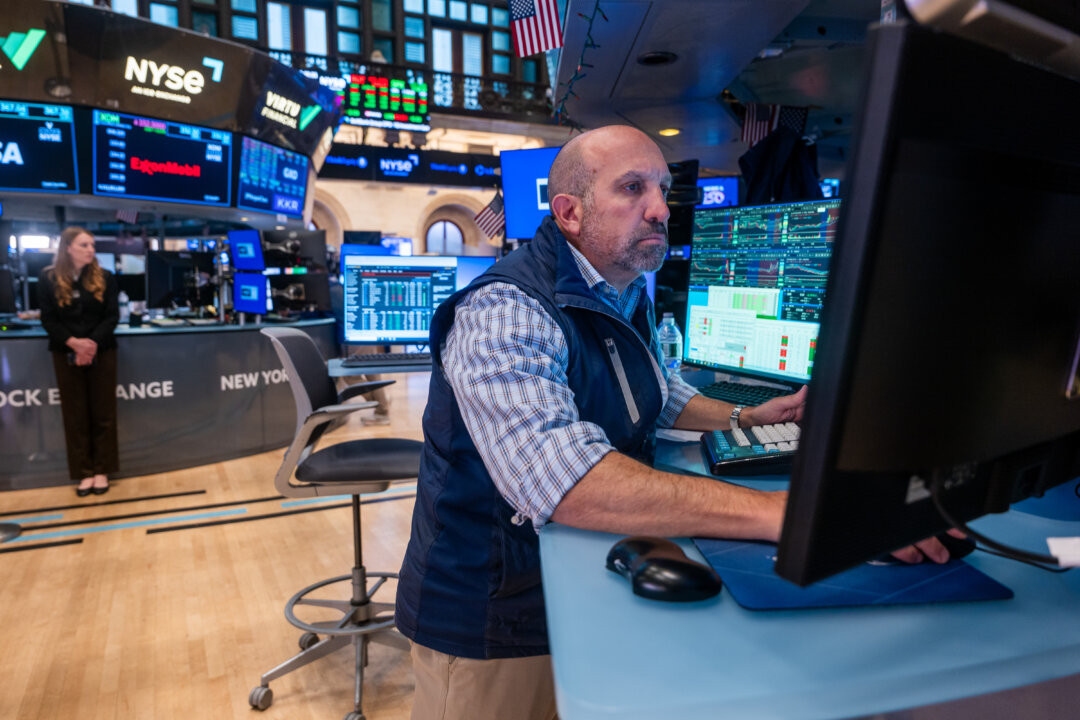
Wall Street finished the week at record highs, buoyed by a surprisingly weak jobs report that provided investors with further assurance against a near-term Federal Reserve rate hike. The July labor market report indicated an unexpected loss of 23,000 nonfarm jobs, coupled with a downward revision of June's figures, which had shown a gain of only 20,000 jobs. This outcome was significantly below economists' expectations of an 80,000 increase.
Nicole Bachaud, a labor economist at ZipRecruiter, noted that the decline in job numbers suggests a marked slowdown in job growth momentum since spring. She pointed out that price volatility might be causing employers to hesitate, leading to a scarcity of job opportunities and prompting more workers to exit the labor market.
Market Reading & Resources
Sponsor funding complete. Trade on.
For investors, a weak jobs report can be interpreted positively, as it diminishes fears of an imminent rate hike, thereby supporting demand for bonds. Consequently, bond yields fell, with the 10-year Treasury note decreasing by 7 basis points to 4.6 percent. This decline in yields quickly translated into gains for equities, with the Nasdaq rising by 1.20 percent and the Russell 2000 increasing by 1.10 percent. The S&P 500 and the Dow followed, gaining 0.62 percent and 0.28 percent, respectively.
However, Brent Wilsey, chief investment officer at Wilsey Asset Management, cautioned that the weak jobs report presents a dilemma for the Federal Reserve, especially as inflation remains elevated. He emphasized the significance of the upcoming consumer price index report for July, which may show an uptick due to rising oil prices amid escalating tensions in Iran. Wilsey characterized this CPI report as potentially one of the most volatile in recent memory.
He also highlighted that investors are currently focusing on reducing debt and seeking evidence of robust corporate earnings as they reassess their portfolios halfway through the year. These factors have contributed to the market's ascent following a tumultuous June and July, with summer volatility appearing earlier than usual this year.
The jobs report capped a week that had already shown bullish tendencies, driven by a decline in oil prices and bond yields as fears of conflict in the Middle East subsided. Brent crude oil prices fell to around $80 a barrel on hopes for a new truce, while the 10-year Treasury yield dropped to 4.65 percent after reaching its highest level since January 2025 the previous week.
Lower yields provided a significant boost to rate-sensitive sectors, with technology and small-cap stocks leading the charge. The Nasdaq experienced a weekly increase of up to 2.8 percent on its strongest days, while the iShares Russell 2000 ETF gained 1.72 percent.
Boeing's positive market sentiment was further enhanced when regulators granted certification for the 737 Max 7, propelling the Dow past a 700-point gain in a single session to achieve a new record high. Additionally, news of a merger between Bristol Myers Squibb and AstraZeneca contributed to the overall optimistic atmosphere.
Despite the positive trends, not all companies reported favorable earnings. While Palantir, Snap, and Caterpillar delivered strong results, AMD's performance fell short of investor expectations, and a shake-up at Alphabet's DeepMind unit dampened sentiment.
The stock markets concluded the week with mixed results, as disappointing earnings from SanDisk, Western Digital, and AppLovin led to profit-taking on Thursday, affecting the Nasdaq and the S&P 500. The Dow also experienced a decline due to a sell-off in Boeing shares.
Analysts noted that the jobs report was particularly crucial for the markets, given the rapid rally in stock prices over the preceding week. They indicated that a balanced jobs number would be necessary for the market to maintain its upward trajectory. Ultimately, the weak jobs data resulted in lower yields and propelled stocks to new record highs.